

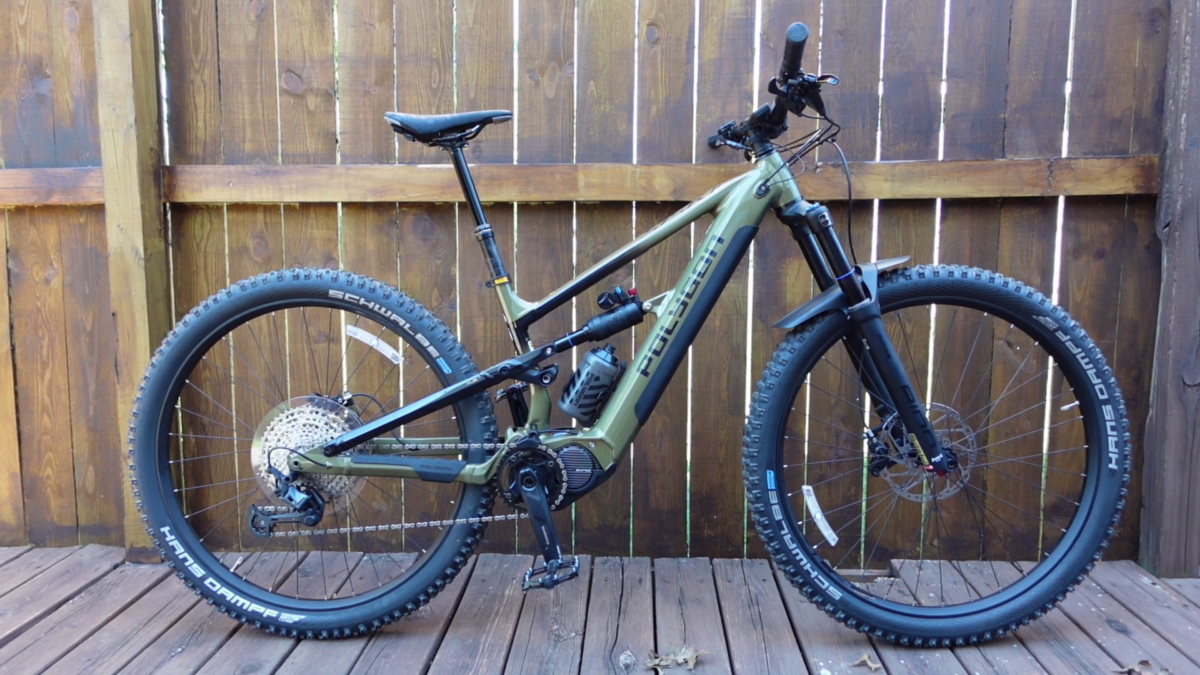
When it comes to full-suspension electric mountain bikes, the entry price is often shocking. It is rare to find a model with name-brand components that doesn’t cost as much as a used car. The dream rig often feels out of reach for many riders. As recreational mountain bikers, we’ve always been on the hunt for the best value. That search brought us to the Polygon Siskiu T7E. Priced at $3,600, it’s not exactly cheap, but it delivers performance on par with big-name bike shop brands that can cost thousands more.
Could this be the smart pick for riders who want top-tier performance without paying for the premium name? In this review, we’ll cover the specs, share our trail experience, and highlight where the real value is.
If you are considering purchasing a Polygon, please consider using our affiliate link. It helps support Ebike Escape and allows us to keep creating these reviews.
Polygon Siskiu T7E YouTube Review | See It In Action!
We take the Polygon Siskiu T7E out to the trails to see if this direct-to-consumer eMTB can really compete with the big brands. We break down the key specs—including the Shimano EP8 motor and suspension setup—put it through its paces on technical climbs and flowy descents, and share our final verdict on whether it offers the best value in the full-suspension market.
Key Features
The primary appeal of the Siskiu T7E is its component selection relative to its price point. In a market where competitors like Trek, Specialized, and Giant often start at significantly higher price points for similar specifications, Polygon has utilized a direct-to-consumer model to offer a competitive package.
Shimano EP8 Motor
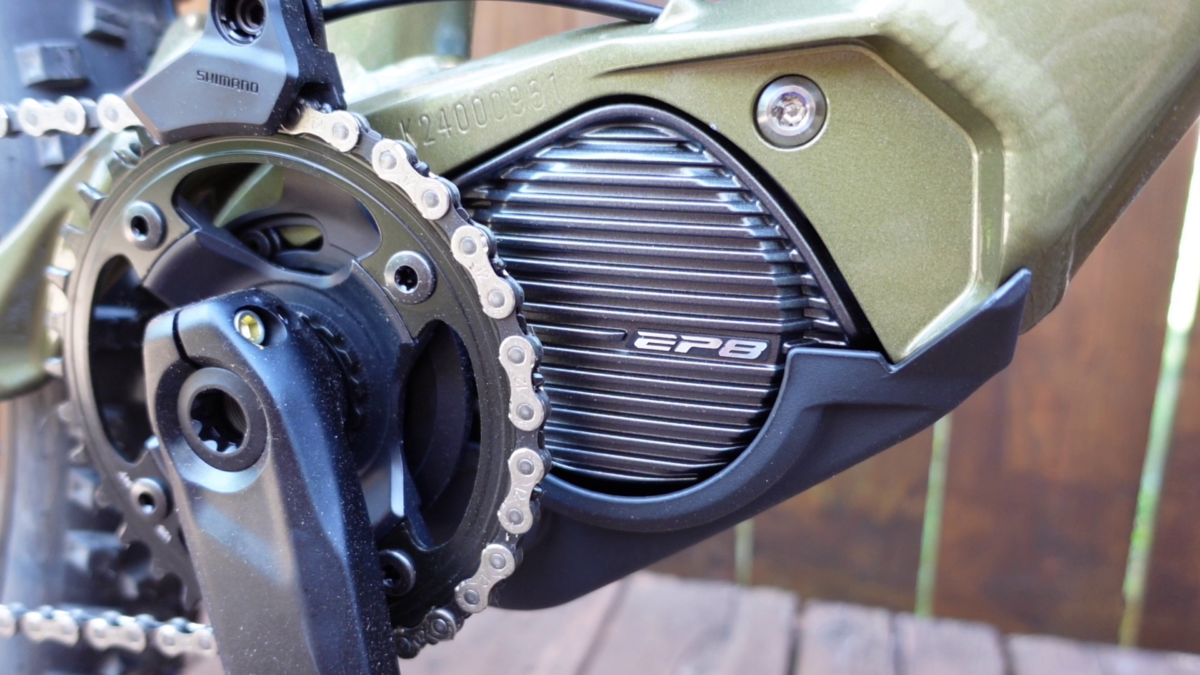
The centerpiece of the T7E is the Shimano EP8 drive unit. This is the exact same motor found on electric mountain bikes that cost thousands of dollars more, providing 85 Nm of torque. In our testing, the updated EP801 motor was a standout on technical climbs. While we often stayed in Eco mode to maintain a workout, kicking it into Boost mode made impossible climbs achievable.
Battery Capacity
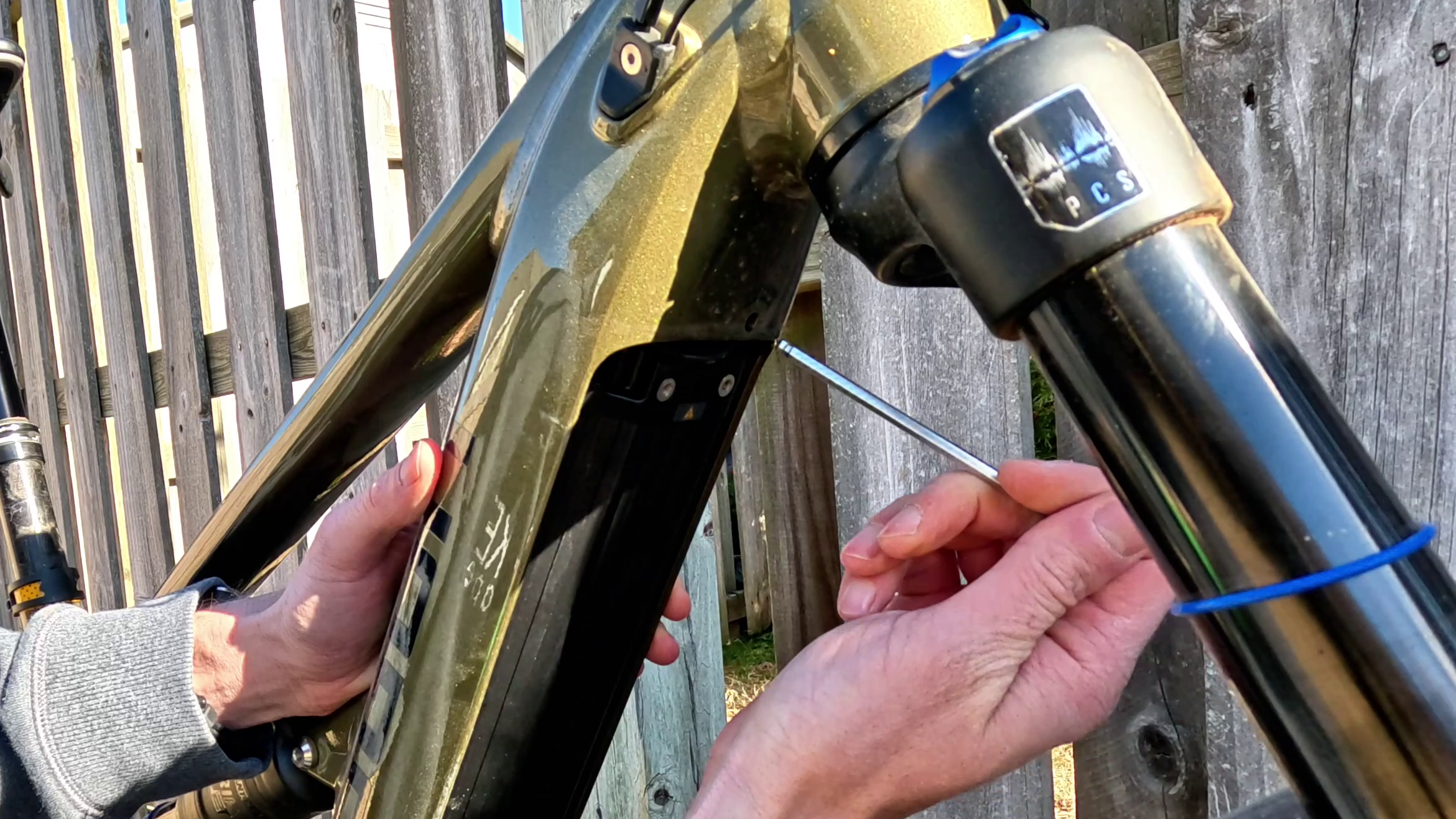
Paired with the motor is a 630Wh (17.5Ah) Shimano battery. This capacity strikes a balance between range and handling, avoiding the excessive weight penalty of larger packs while still offering a full day of recreational riding. We frequently rode miles to the trailhead and still finished our sessions with 70% to 80% charge remaining.
Suspension Platform
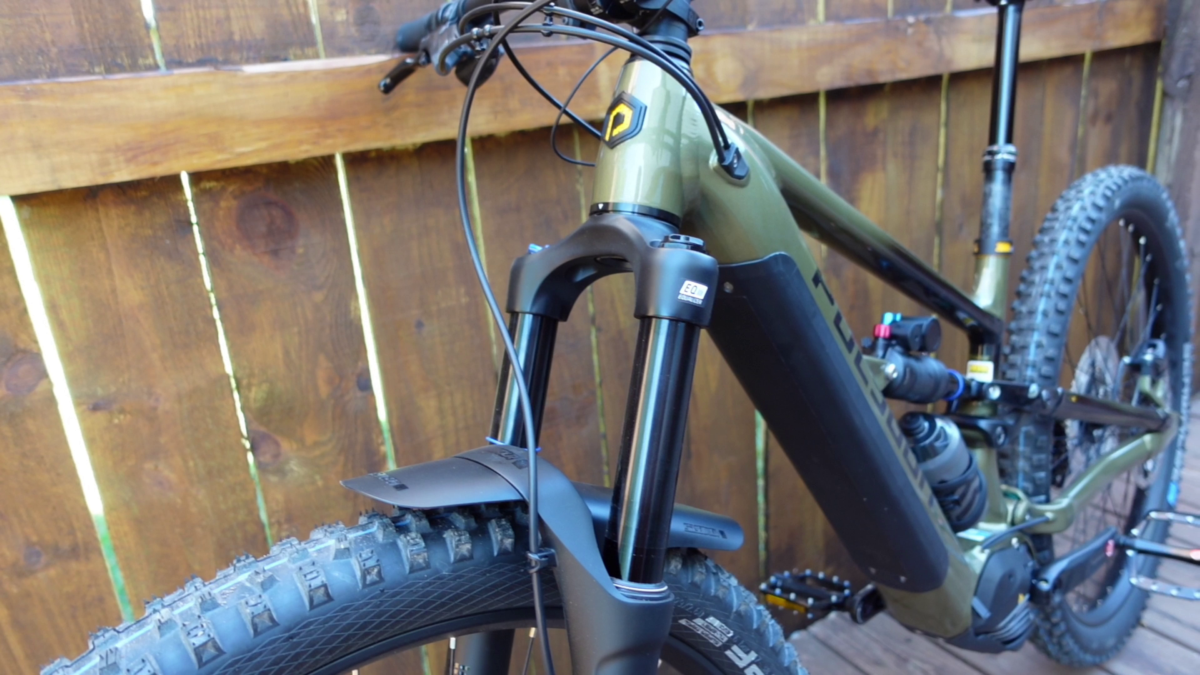
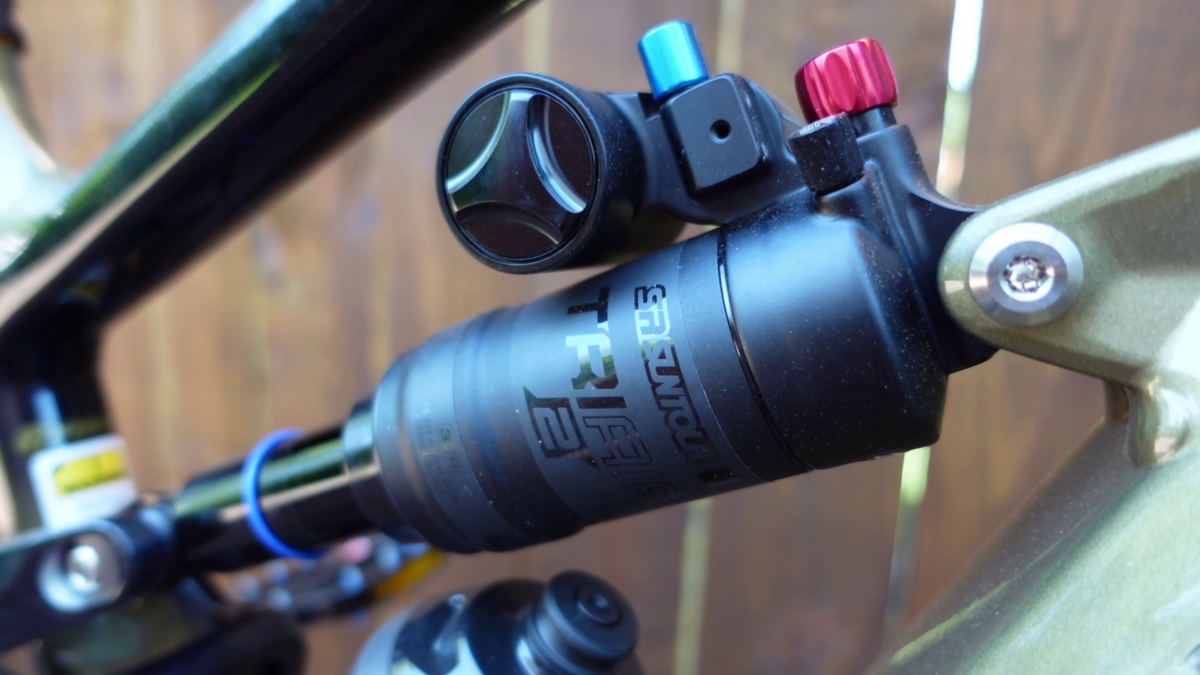
Billed as an “all-mountain” bike, the T7E features an SR Suntour Aion air fork with 150mm of travel up front and an SR Suntour TriAir2 shock in the rear providing 140mm of travel. We tested this on the rocky terrain of Bentonville, and the suspension provided ample support on drops while feeling like a roller coaster on the flow trails. It smoothed out the ride significantly, making it comfortable even for recreational riders who aren’t looking to hit huge jumps.
Braking System
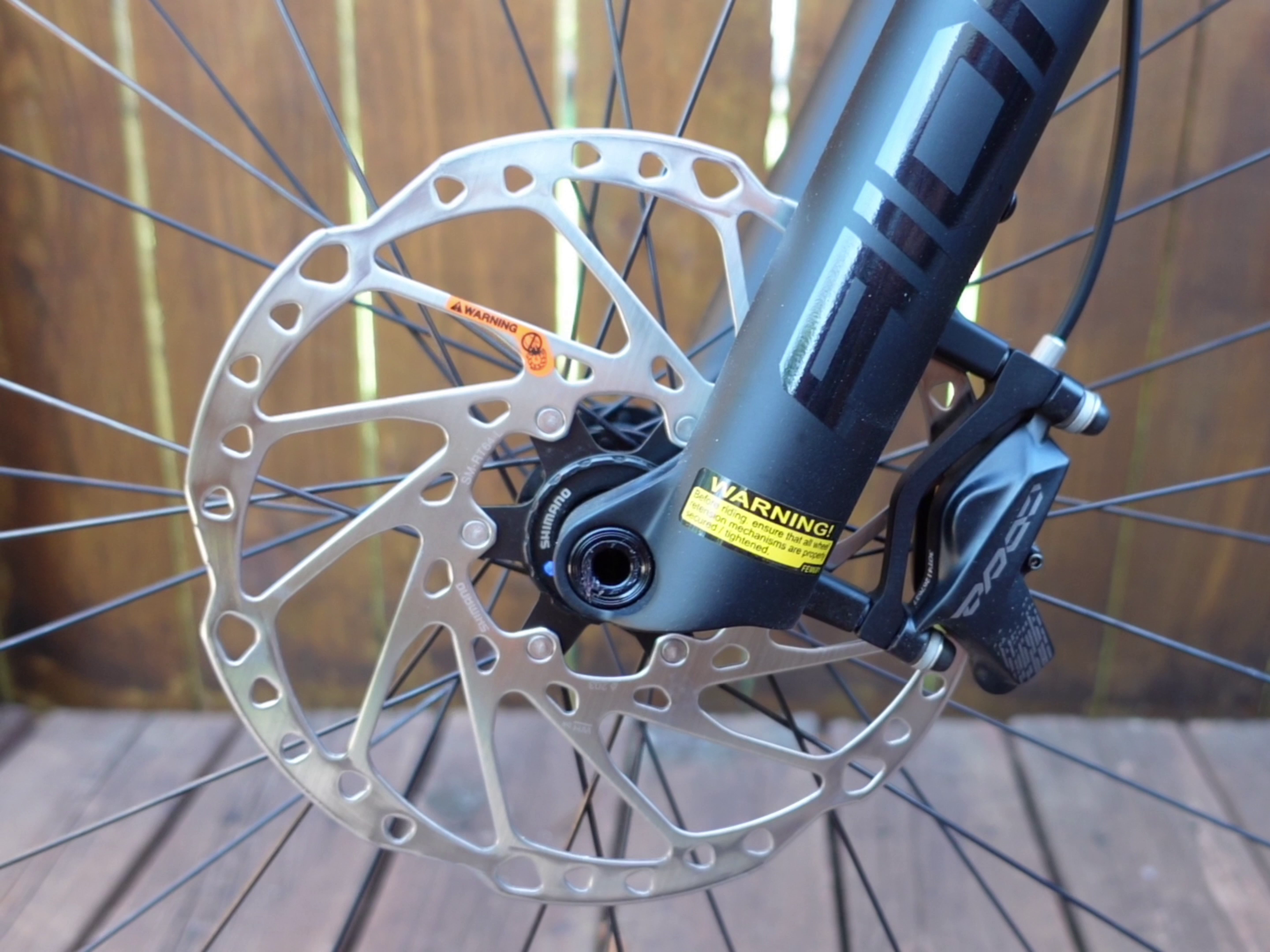
To manage the weight and speed of an eMTB, the bike is equipped with SRAM Code-R four-piston hydraulic disc brakes. On a heavy electric bike, stopping power is non-negotiable, and these brakes delivered consistent confidence throughout our testing. They performed exactly as you would expect from a higher-end setup, with no concerns about fading or lack of power.
Drivetrain
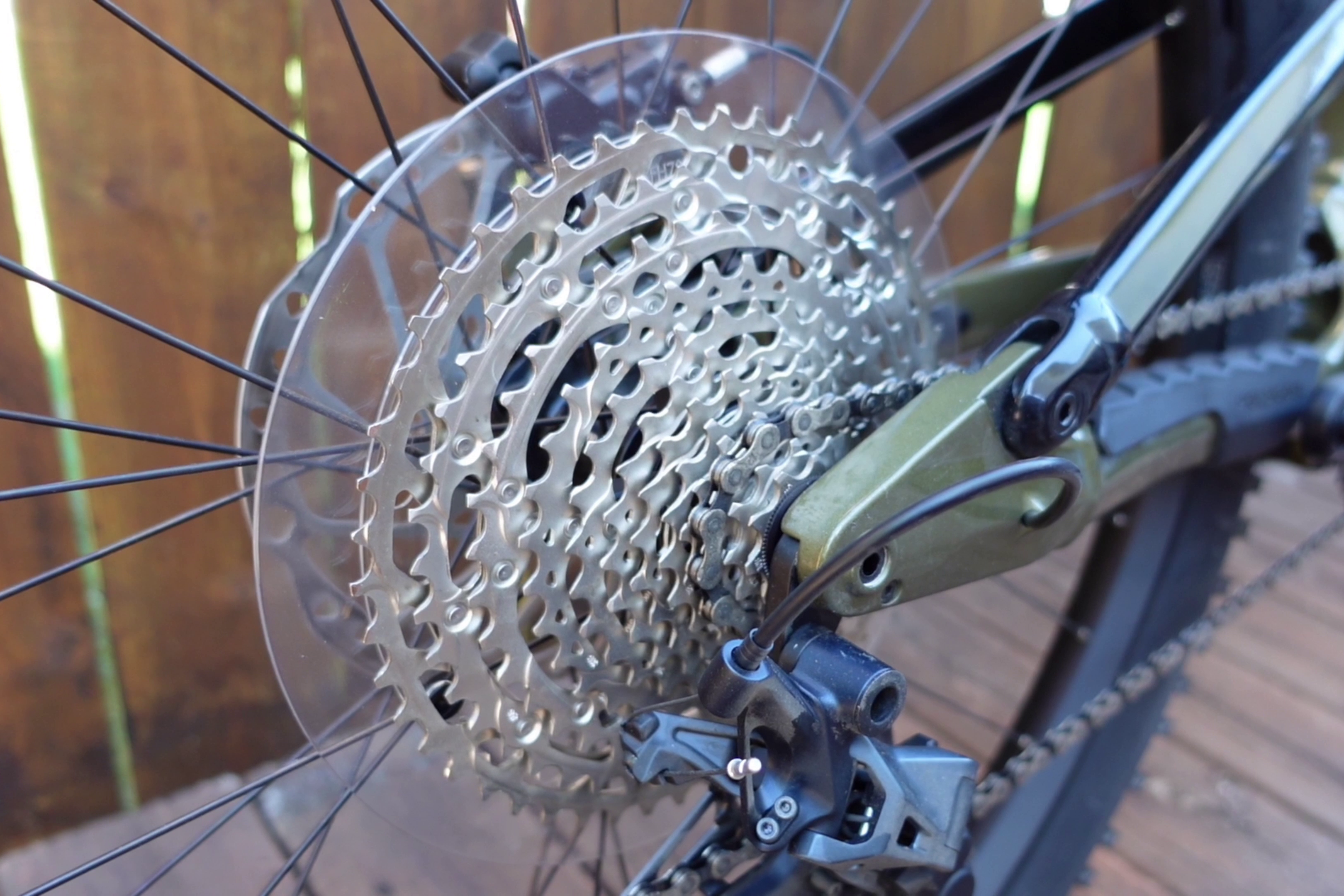
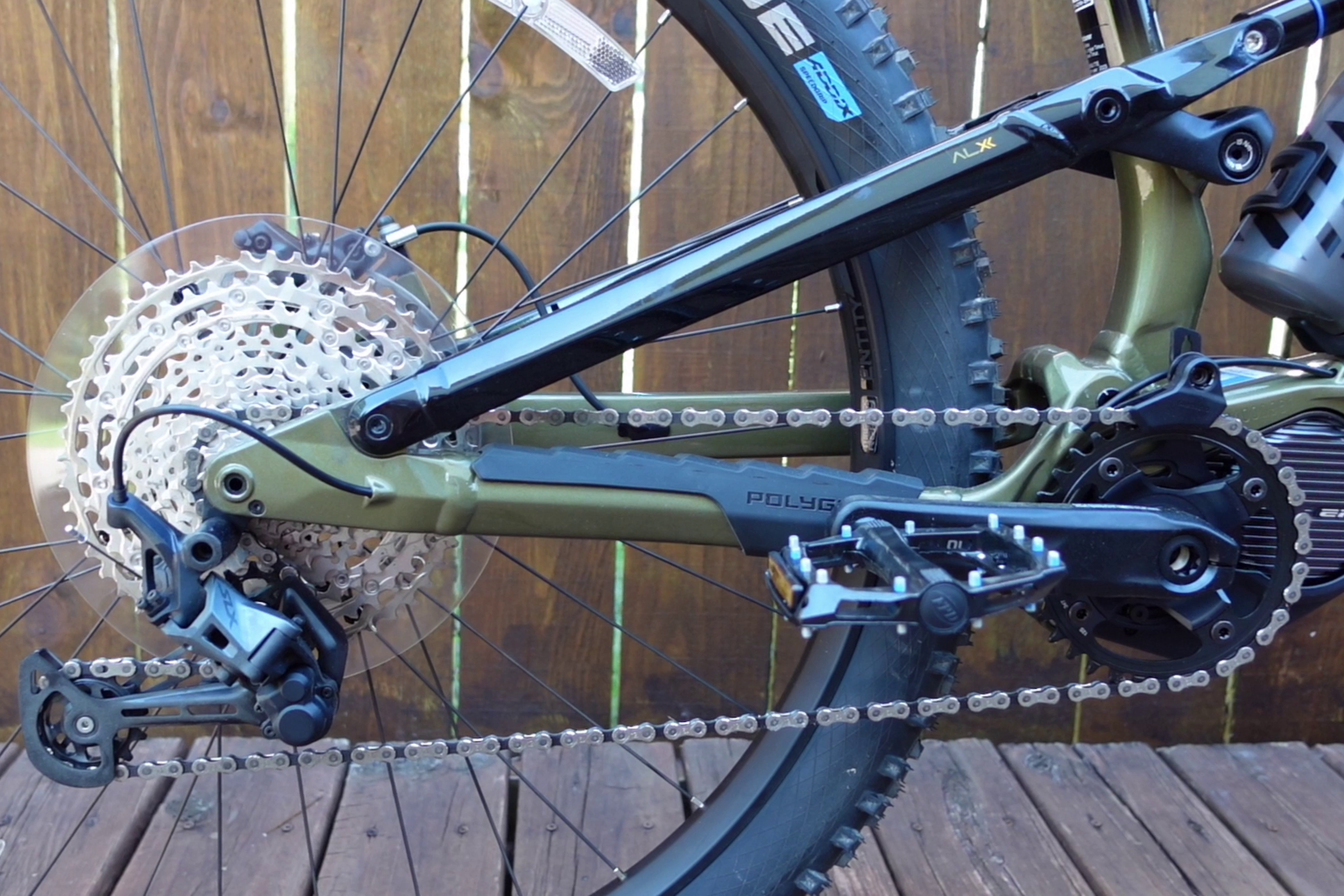
The 12-speed drivetrain is a mix of reliable components, featuring a Shimano SLX shifter and derailleur paired with a 10-51 tooth cassette. We were impressed by the reliability right out of the box; we didn’t have to adjust the derailleur once during our testing. The shifts remained precise and reliable, even though we aren’t the type of riders to keep our bikes in tip-top shape.
Frame, Sizing, and Options
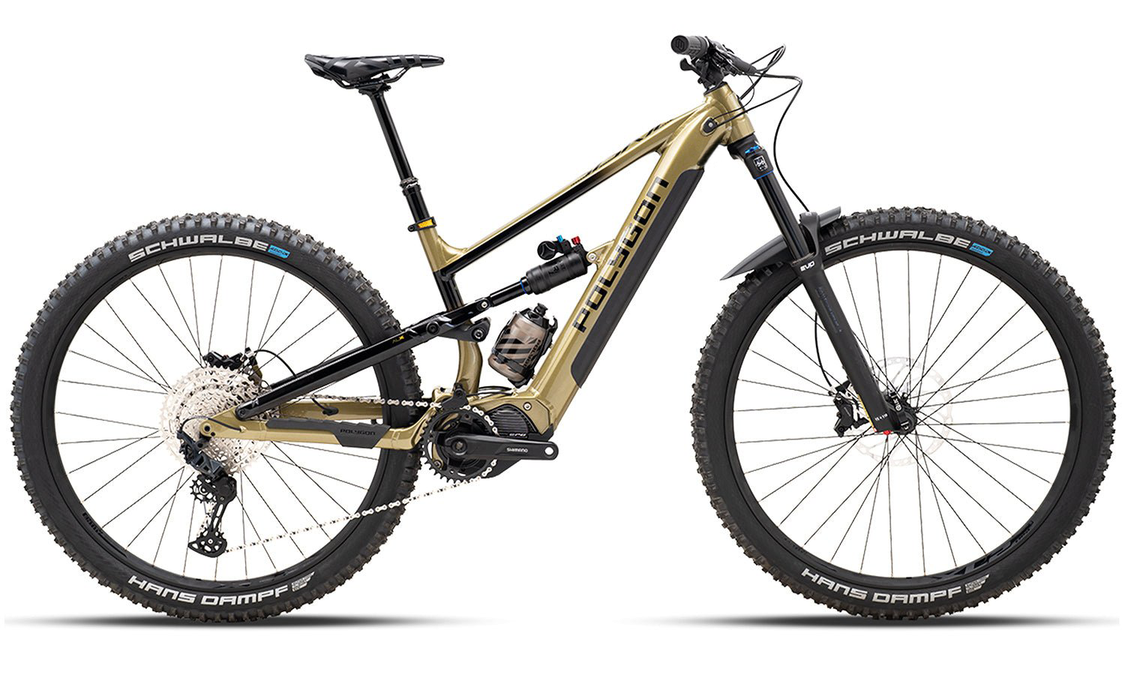
The Polygon Siskiu T7E is built with an aluminum frame that balances durability with a manageable weight. Visually, we really liked the “Brown Olive” paint job and the subtle yellow accents throughout the frame—it gives the bike a finished look that defies its price point.
We tested the size Medium, which proved versatile enough for us to share between two riders of different heights (one being 6’1″). Despite being a robust full-suspension ebike, the weight is reasonable. The size Large reportedly tips the scales at 54 lbs, but on the trail, it feels lighter and more agile than other full-suspension models we have ridden in the past. This makes it easier to handle, both while riding and when maneuvering it around the garage.
Flip-Chip Geometry Adjustment
This feature is designed for riders who want to customize their wheel setup. While the bike comes stock with 29-inch wheels, many riders prefer a “mullet” configuration (29″ front, 27.5″ rear) for a more playful rear end. If you decide to swap to a smaller rear wheel, you can rotate the flip-chip to the “High” position. This raises the rear center to compensate for the smaller wheel, ensuring your bottom bracket doesn’t drop too low and cause pedal strikes.
Polygon Siskiu T7E: The Full Spec Sheet
Below is a detailed breakdown of the components that make up the Polygon Siskiu T7E.
Polygon Siskiu T7E Performance: How It Rides on the Trail
One of the biggest lifestyle upgrades with the T7E isn’t even on the dirt—it’s the logistics. Because of the range and efficiency, we stopped loading the bike onto our vehicle rack and started riding straight to the trails. It completely removes the hassle of transport, and we’d still arrive at the trailhead with plenty of battery to spare.
Climbing and Assist
We did the majority of our riding in Bentonville, where some trailheads are accessed by long, paved climbs. This is where the ebike shines; we could cruise up the hill at 12 mph without burning our legs out before the fun part even started.
On the actual trails, we found ourselves living in Eco mode. It offers just enough assistance to keep the bike manageable while ensuring we still felt in control and got a genuine workout. Trail mode offered a noticeable bump in power for steeper sections, but Boost mode was the real hero. There are rocky, technical uphills that we usually struggle with on analog bikes, but the 85Nm of torque allowed us to clean those sections with confidence. It essentially unlocked parts of the trail that were previously “hike-a-bike” territory for us.
Downhill and Handling
When the gravity takes over, the T7E feels fantastic. Before dropping in, hitting the dropper post lever to get the seat out of the way is essential for maneuvering. Once that seat is down, the bike feels surprisingly agile for its weight.
We rode a lot of flow trails featuring bridges and berms, and the experience was genuinely like riding a roller coaster. The suspension soaked up the rocks and small drops without issue. We want to be clear about our riding style: we are recreational riders who like our jobs and want to avoid injury, so we aren’t sending massive gap jumps. For that style of riding—fast, flowy, and fun—the bike inspired a ton of confidence. The tires held traction in the corners without sliding out, and the SRAM brakes kept speed in check without any drama.
Ride1Up TrailRush vs. Polygon Siskiu T7E
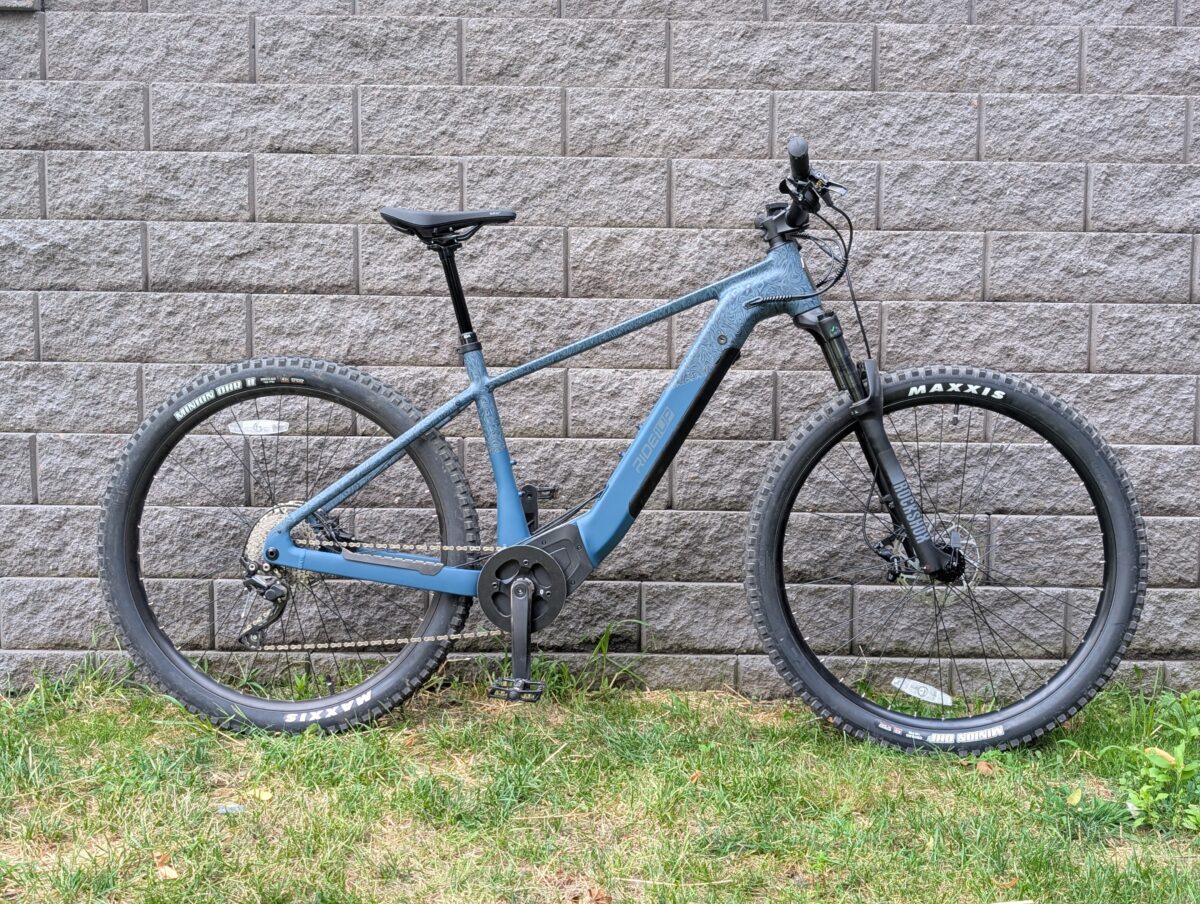
If you’re looking to spend significantly less, another D2C contender worth considering is the Ride1Up TrailRush. Priced around $2,095, the TrailRush is a hardtail rather than full-suspension, but it still packs a serious punch for the money. Where the Polygon gives you a Shimano system and rear suspension for technical terrain, the TrailRush offers a German-engineered Brose TF Sprinter motor with a massive 90Nm of torque—actually higher than the Polygon’s 85Nm. It pairs that power with a 120mm RockShox Judy Silver air fork and 4-piston hydraulic brakes.
When it comes to the drivetrain, the TrailRush uses a 10-speed Shimano Deore setup with an 11-36T cassette. This is a solid, durable choice for the price, but it offers less range than the Polygon’s 12-speed Shimano SLX setup with its massive 10-51T cassette. That extra range on the Siskiu T7E will be noticeable on particularly steep climbs where you need that “bailout” gear to keep spinning comfortably.
The biggest trade-off? You lose the rear shock, meaning the TrailRush is less forgiving on gnarly descents and technical rock gardens compared to the Siskiu. However, if your trails are smoother or you just want a capable eMTB for over $1400 less, the TrailRush is arguably one of the best value hardtails on the market right now.
Pros and Cons | Polygon Siskiu T7E Review
After putting significant miles on the Siskiu T7E, here is our take on where it shines and where there are some tradeoffs.
The Verdict | Polygon Siskiu T7E Review
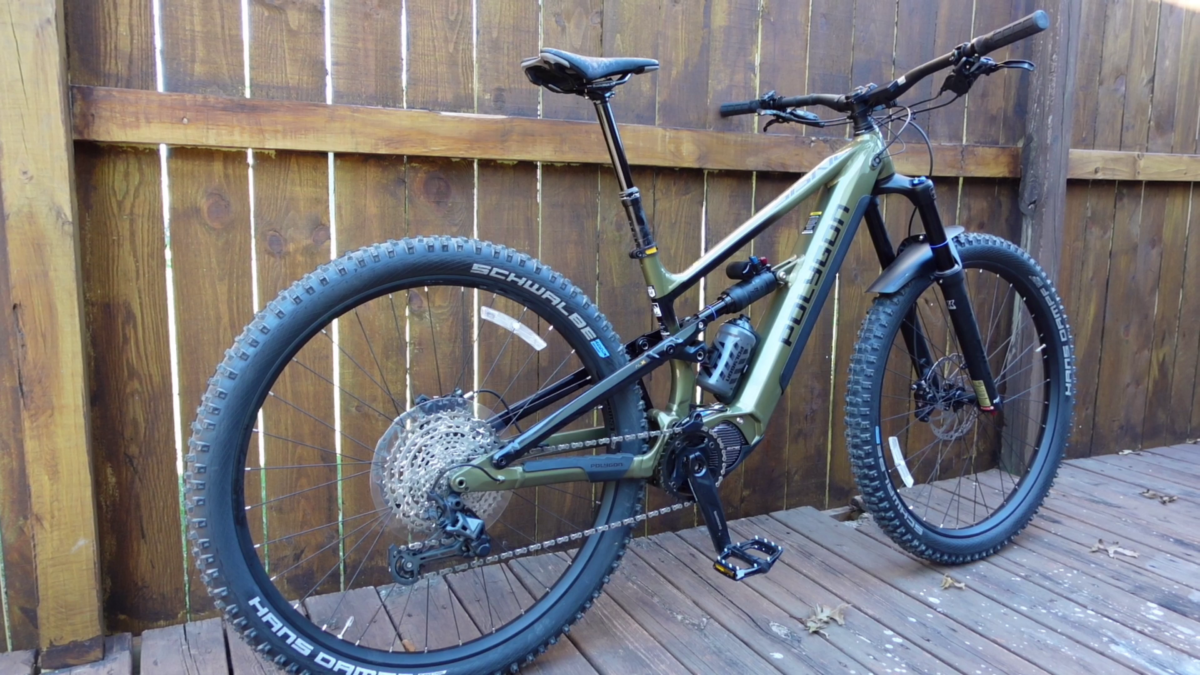
If your goal is to get a full-suspension electric mountain bike, the market options can be discouraging. Competitors like Canyon, Specialized, Trek, and Giant often start between $4,500 and $6,500, with prices easily climbing into five figures. We have nothing against these brands, but for many of us, dropping $6,000 on a bicycle isn’t an option. This is where the Polygon Siskiu T7E fills an important gap.
You get name-brand components—specifically the Shimano motor and battery—without the massive premium attached to the big labels. $3,600 isn’t exactly small change, but it’s a far wiser investment for the casual rider. While someone who sweats the tiny details might find components they prefer elsewhere, for our purposes, the suspension, motor, and brakes worked perfectly. If you have never been on a full-suspension electric mountain bike, you are in for a treat.
If you found this review helpful, using our affiliate link to purchase your next ebike supports our work.
