

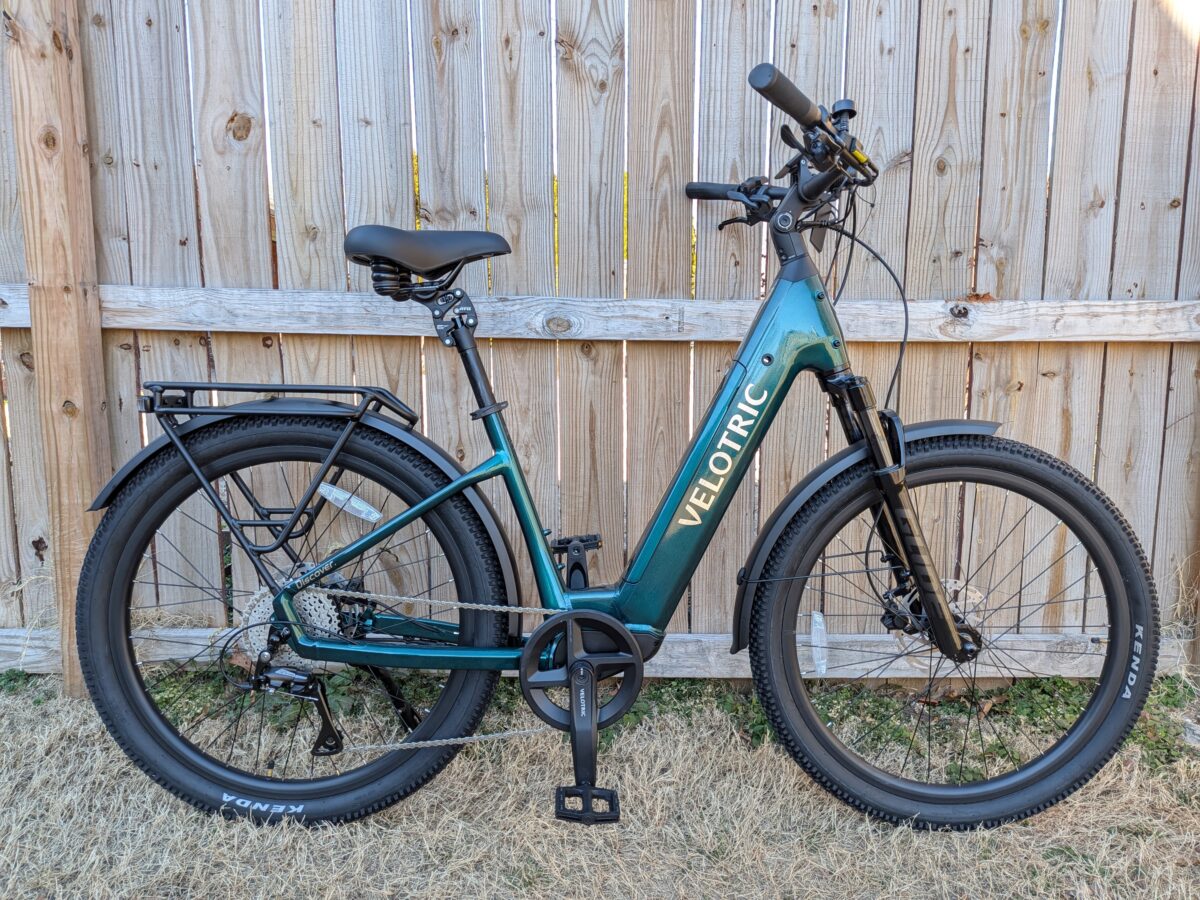
With the launch of the Velotric Discover 3, the brand has taken one of our top-rated commuters and significantly raised the bar. The previous generation was a long-time favorite of ours thanks to its thoughtful ergonomics, deep customization, and excellent performance, setting a standard for comfort and user-friendliness in the sub-$2,000 category. Rather than reinventing the wheel, Velotric has built upon this solid foundation, introducing major physical upgrades and a complete software overhaul designed to make the daily commute even smoother.
In this review, we will cover every aspect of this evolution—from the new adjustable air suspension and industry-first Android & Apple tracking to the upgraded drivetrain and “Smart Tuning” system. We will also dive into our real-world performance data to see if the refined 1100W peak motor and updated battery can handle the demands of daily riding. Perhaps the best news for prospective buyers is that despite the stack of premium new features, the Discover 3 retains the same accessible price point as its predecessor, coming in at $1,999.
If you are considering picking up a Velotric ebike, we would appreciate it if you used our affiliate link when purchasing, it helps make reviews like this one possible. Save on your next Velotric ebike with discount code: eBikeEscape60
Velotric ships most of its current bikes with a MIK rack. If yours has one, bags, baskets and coolers click on without straps; see our MIK-compatible bags and baskets for what fits.
Velotric Discover 3 Video Review
For a closer look at the Discover 3 in action, check out our full video review below. We dive deep into the menu settings, demonstrate the differences in throttle response, and take it on our rigorous hill climb test to see exactly what this motor can do.
Major Updates on the Velotric Discover 3
Adjustable Air Suspension Fork
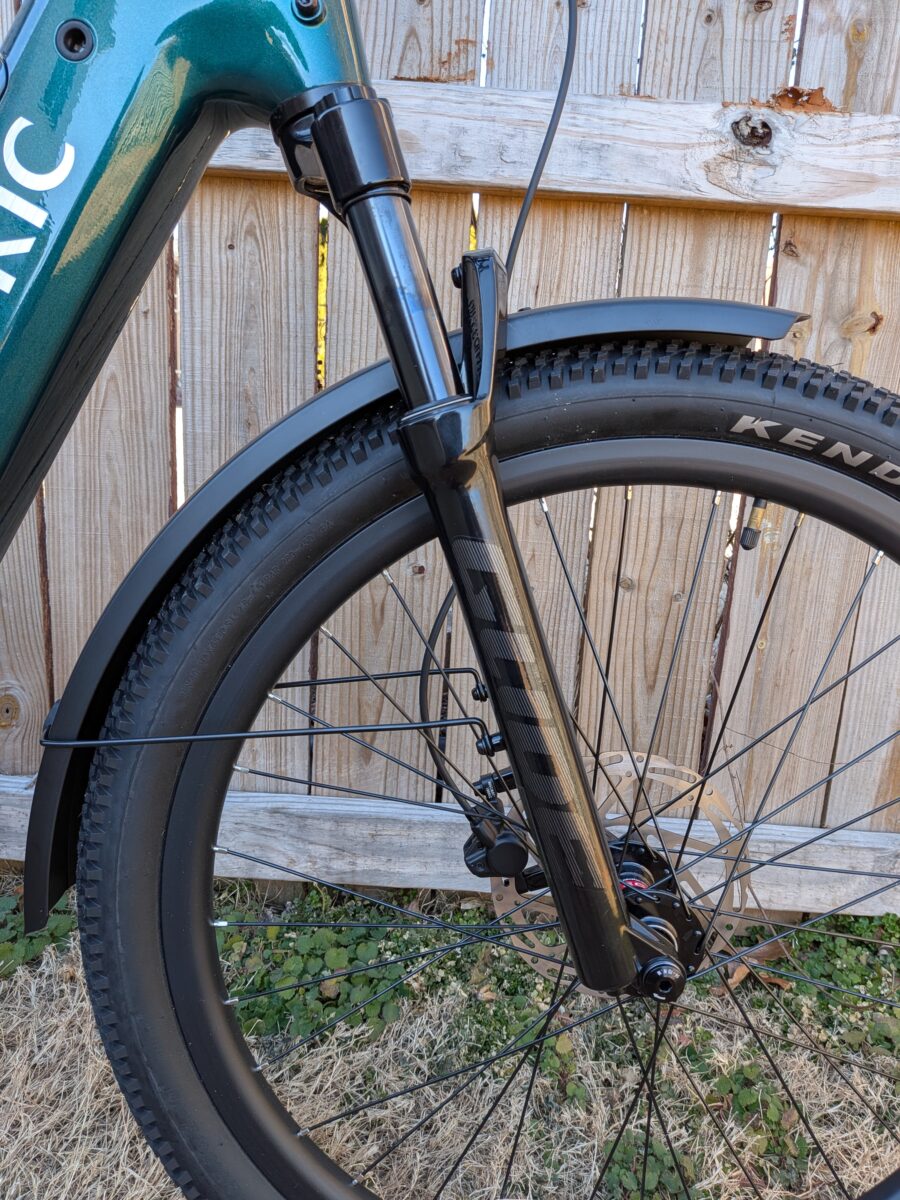
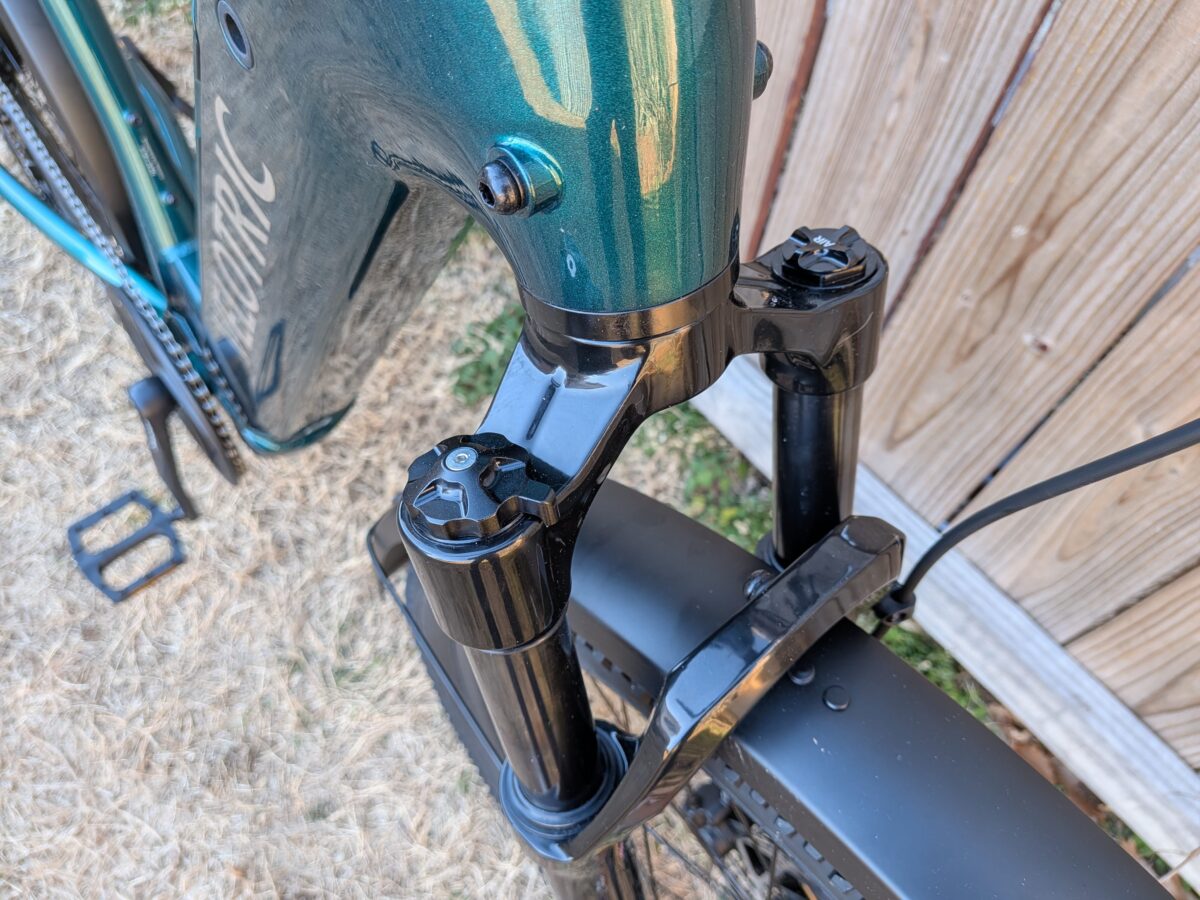
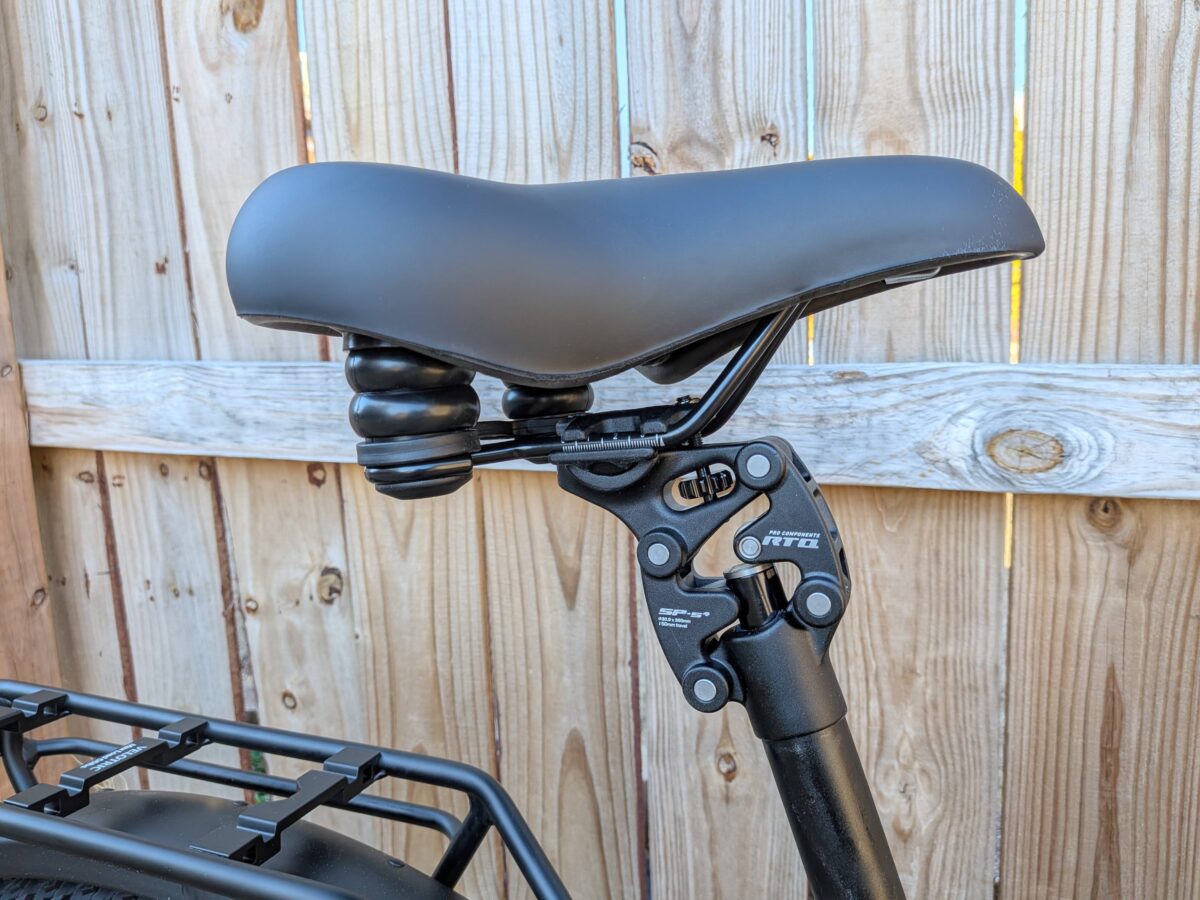
The most significant mechanical upgrades on the Discover 3 focus entirely on ride quality. While the move to an air suspension front fork is major, the new suspension seatpost just may be the standout feature. In our testing, we found that this seatpost (the same one found on the Velotric Nomad) does the “heavy lifting” for comfort, soaking up bumps effectively. If we had to choose just one comfort upgrade, it would be the seatpost over the fork. It features a preload adjustment at the base of the seatpost to tune it to your weight. However, shorter riders should be aware that this mechanism adds about 4 inches to the minimum seat height.
Up front, the new air fork allows riders to precisely dial in pressure for their specific body weight, providing a superior ride compared to “one-size-fits-all” coil springs. The fork includes a lockout for efficient riding on smooth pavement and felt like one of the best we have experienced at this price point. To adjust the air pressure, you will need a shock pump (a standard tire pump will not work); we recommend the Topeak Pocket Shock DXG Bike Pump (Amazon).
Simplified “Smart Tuning” & Customization
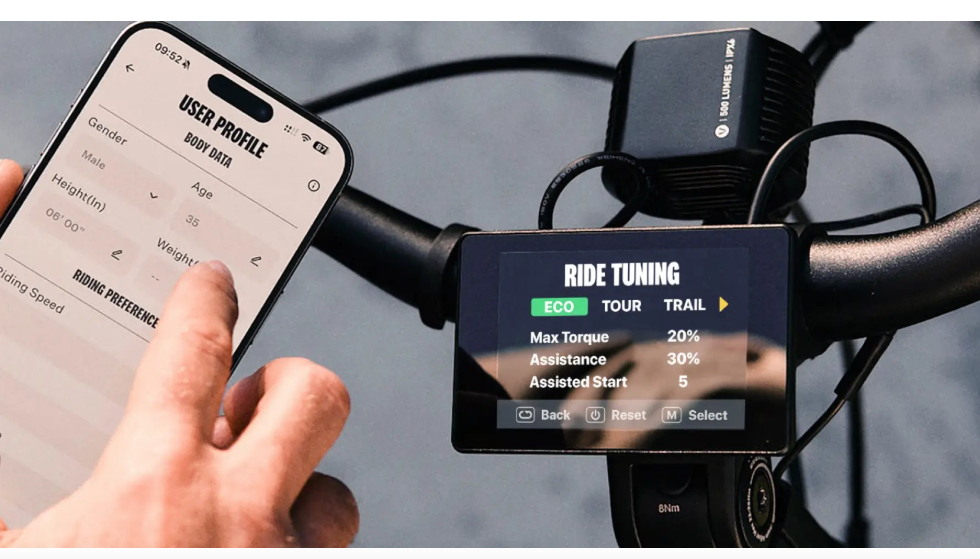
Velotric has struck a difficult balance with the Discover 3: making the system intuitive for beginners while offering granular control for experienced users. For those who just want to get on and ride, the complex 15-level assist system of the previous generation has been streamlined into a traditional, easy-to-understand 5-level interface (Eco, Tour, Trail, Sport, Boost).
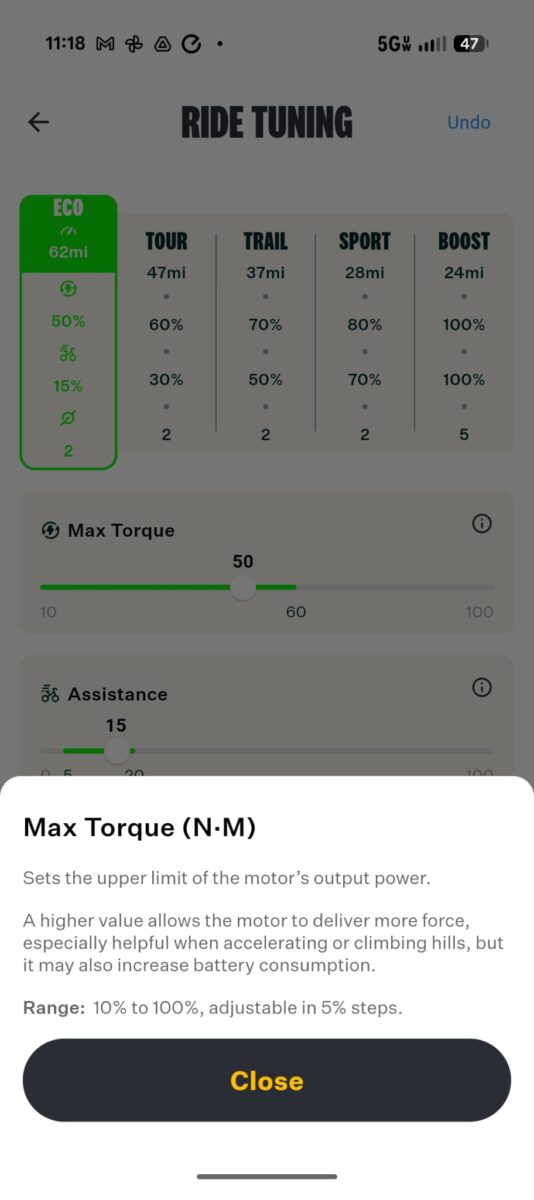
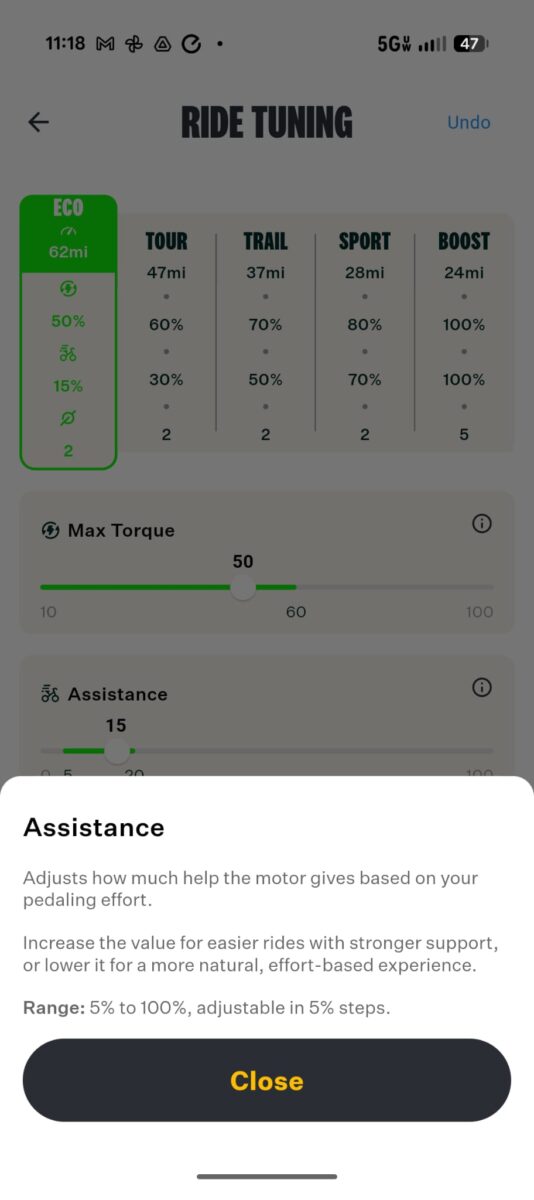
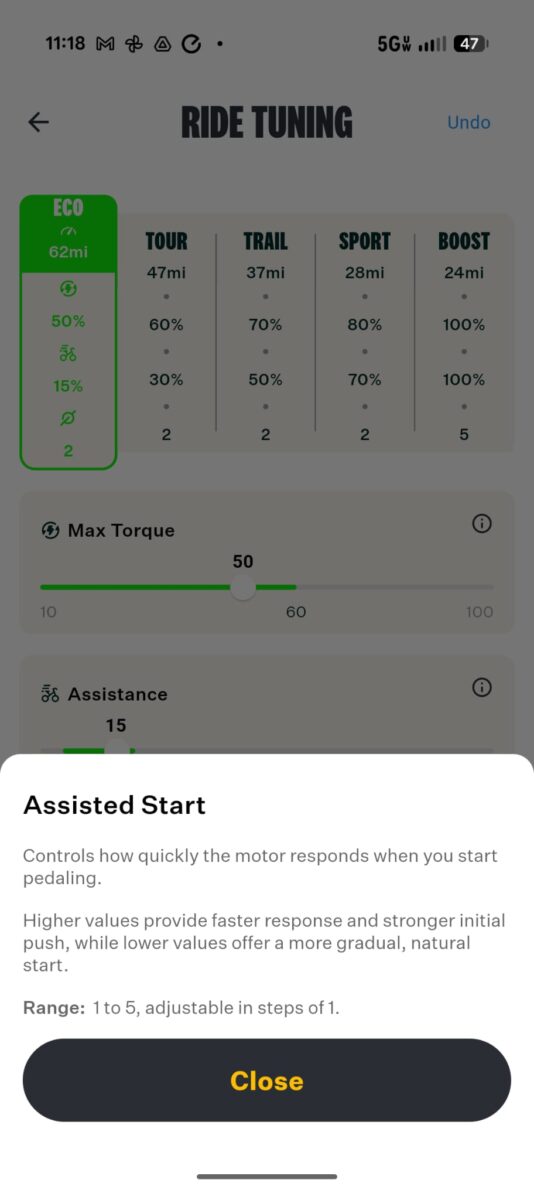
However, under the hood, the new “Ride Tuning” feature allows for an impressive level of depth. Power users can dive into the settings to individually adjust the Max Torque, Assistance percentage, and Assisted Start sensitivity for each of the five modes. This means you can dial the bike down for a novice rider to ensure gentle, safe takeoffs, or unlock the full 1100W peak power for aggressive acceleration. Additionally, switching between Class 1, 2, and 3 capabilities is now just a single button press away, making it easier than ever to comply with local trail regulations.
Lighting, Tires & Security
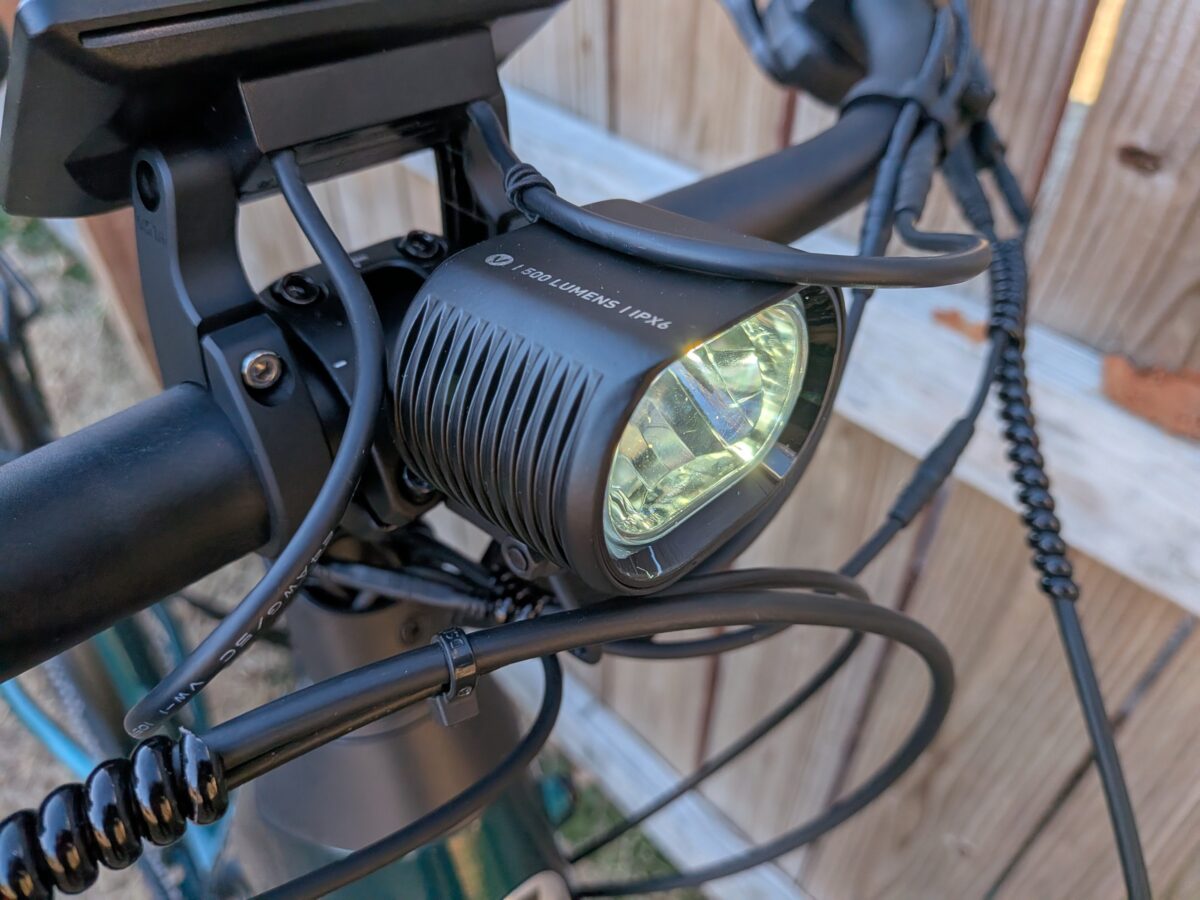
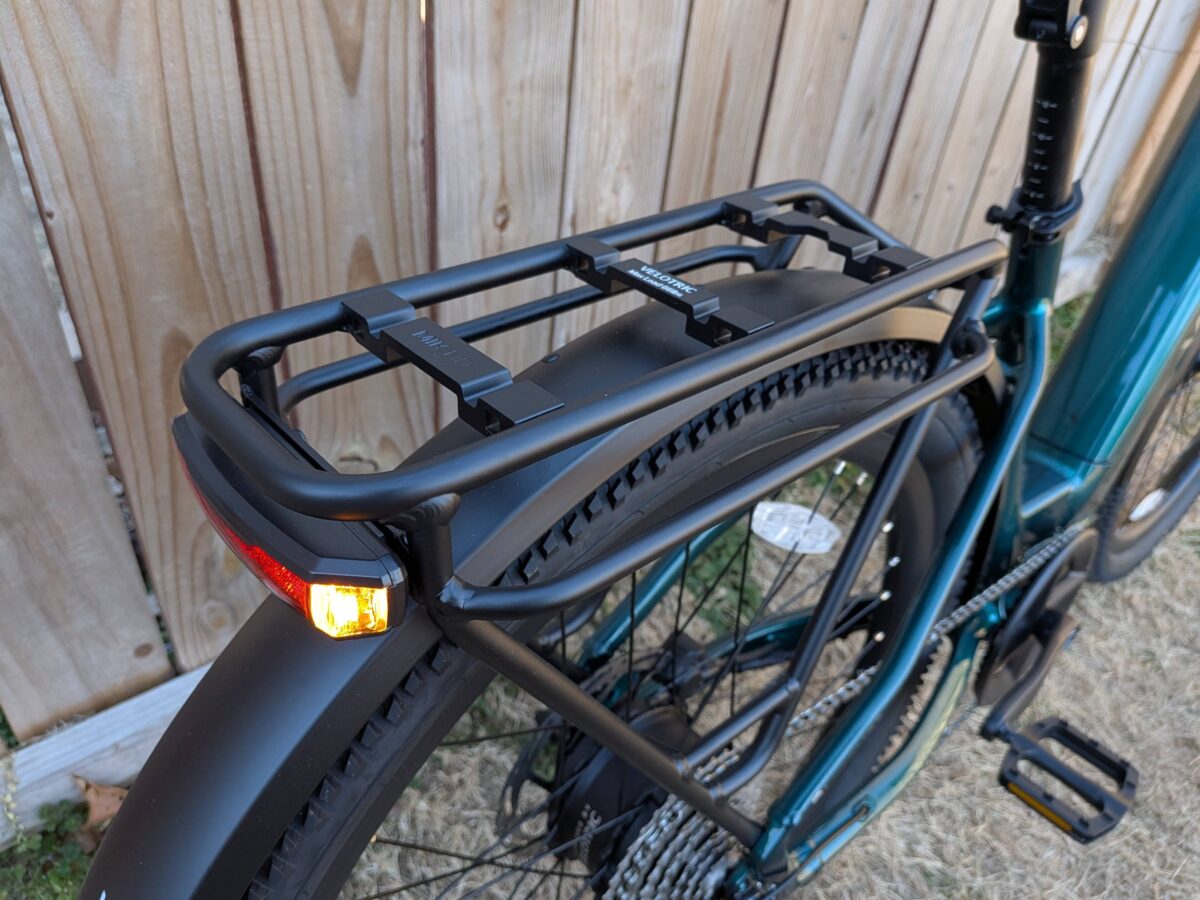
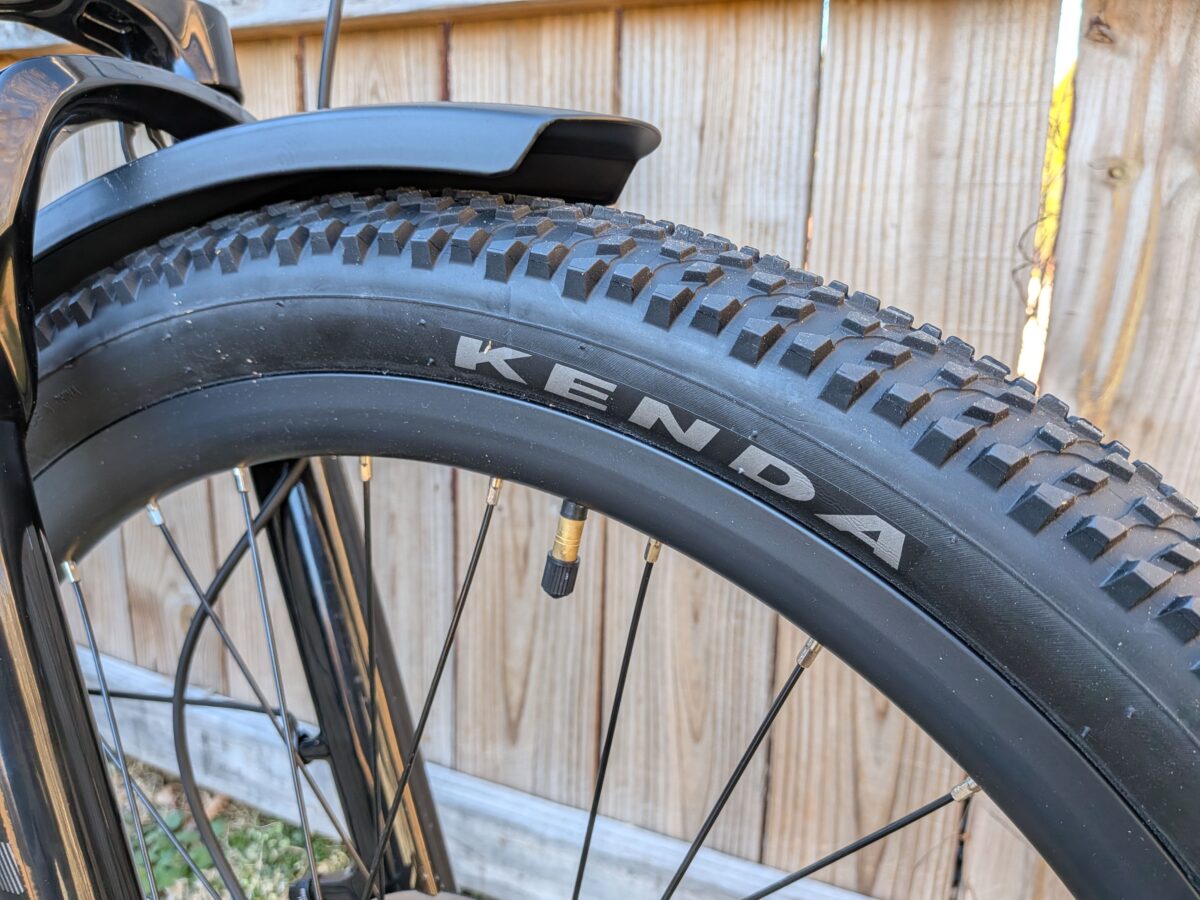
Up front, the headlight has been upgraded to a powerful 500-lumen beam, providing significantly better illumination than the previous generation. This is paired with familiar rear lights that feature integrated turn signals and brake-actuated stops. To ensure stability in mixed conditions, the bike now rolls on Kenda all-terrain tires, offering significantly better traction on wet roads and light gravel compared to the previous city slicks.
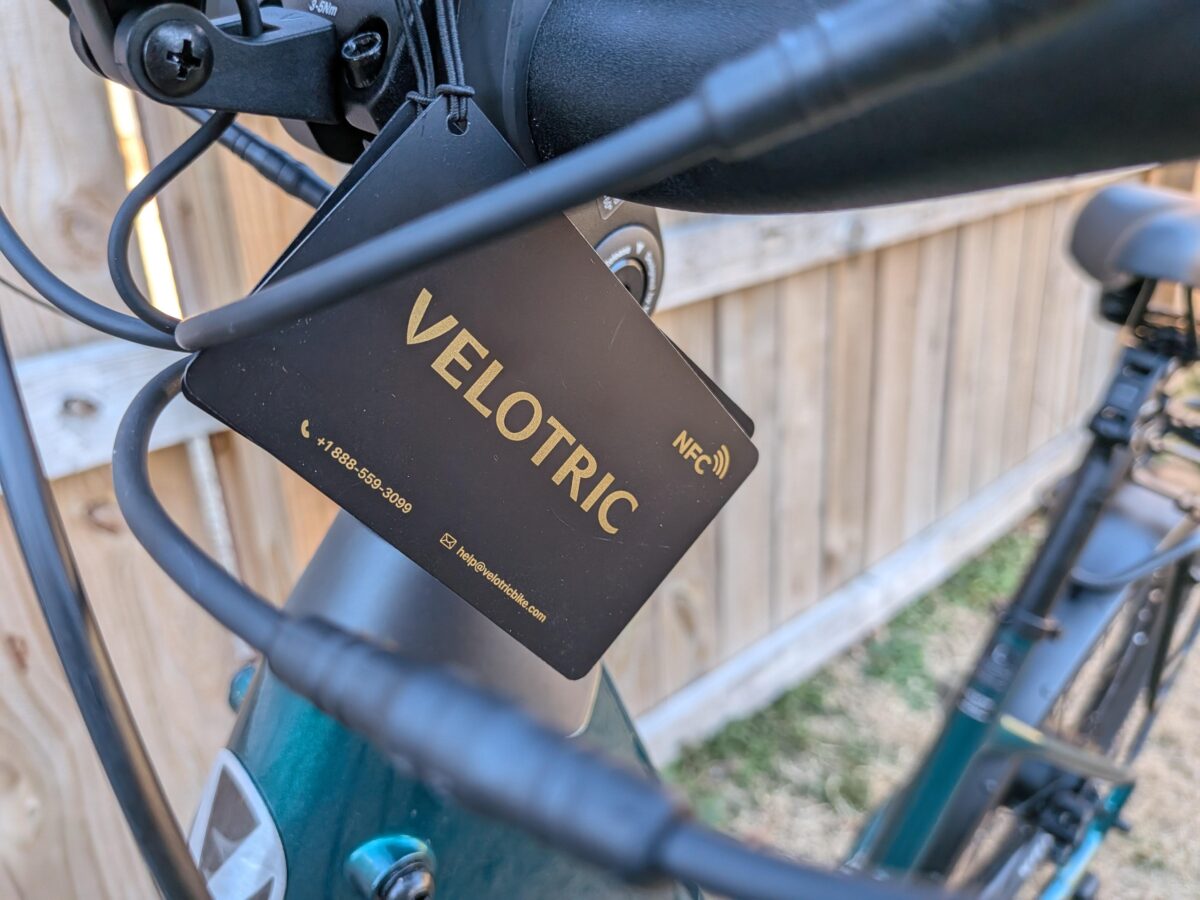
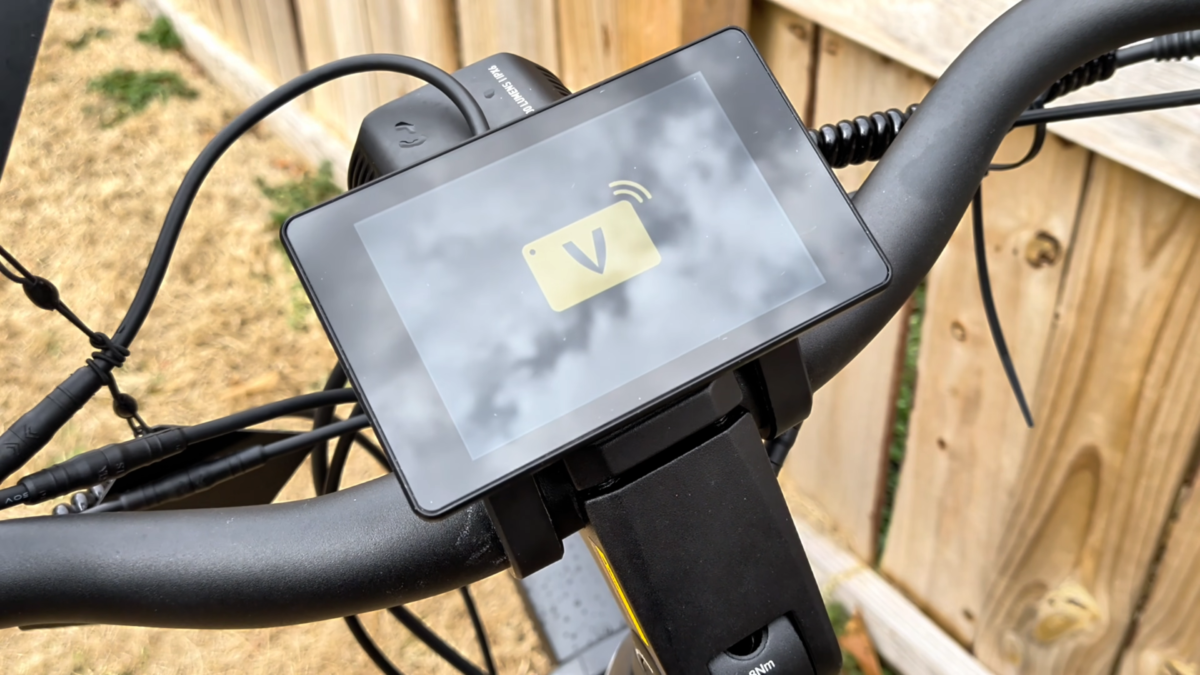
On the security front, the Discover 3 allows for quick, tap-to-go unlocking via the new NFC card system. Additionally, it is the first ebike from a major brand to support both Apple Find My and Android Find Hub, offering built-in tracking regardless of your smartphone ecosystem.
Upgraded Drivetrain
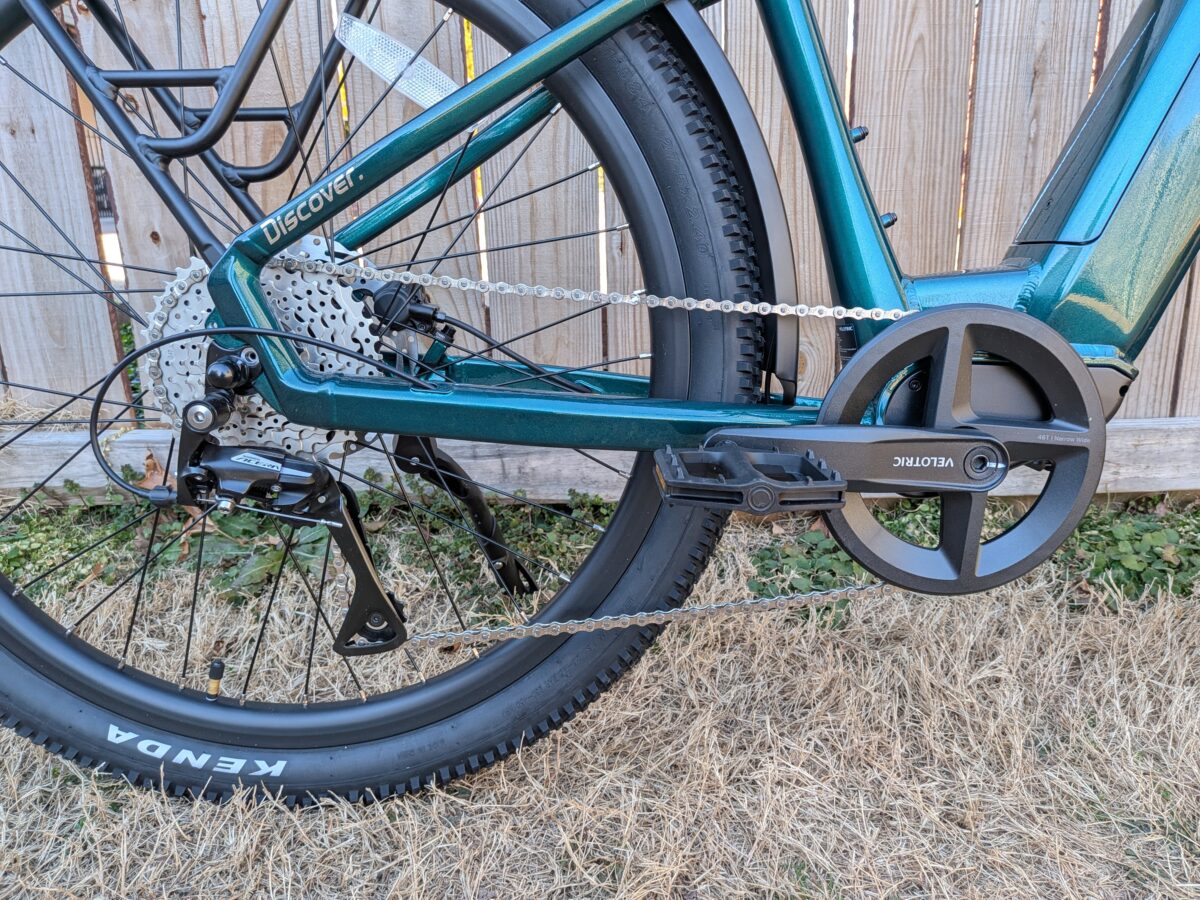
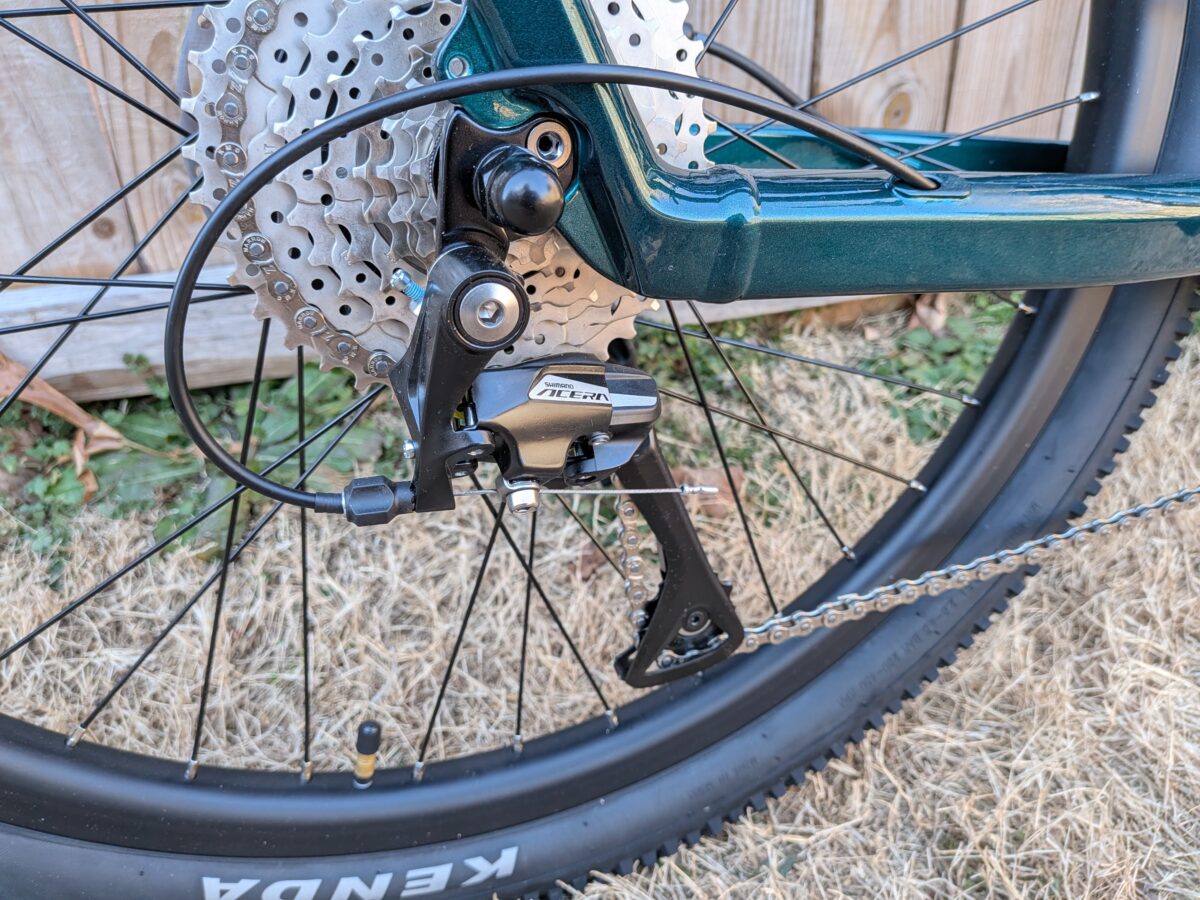
Another welcome improvement on the Discover 3 is the upgraded drivetrain. Velotric has moved to a Shimano Acera derailleur, a step up in reliability and smoothness for daily use. While the bike retains a 46T chainring, the cassette has been expanded from the previous 11-32T to an 11-40T range. In our testing, this wider range made a significant difference in adaptability; the large 40T cog allows for much easier climbing on steep grades, while the 11T cog ensures you can still maintain a comfortable cadence at higher Class 3 speeds.
Increased Battery Capacity & Range
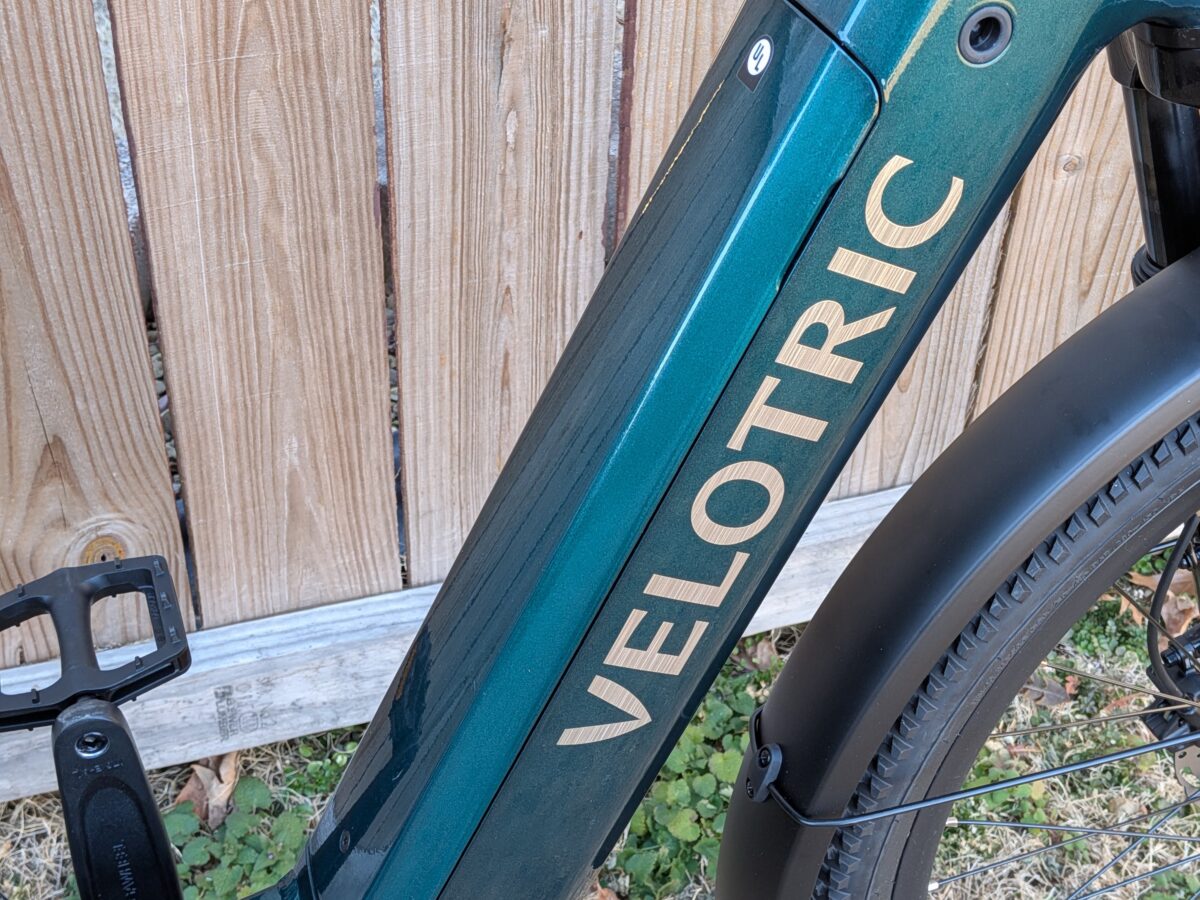
The Discover 3 also received a modest but welcome bump in battery capacity. The new pack is rated at 48V 15.2 Ah (730 Wh), up from the previous 14.7 Ah (705.6 Wh). While this isn’t a massive leap, it provides a 5-mile increase to the maximum claimed range, pushing it up to 80 miles on a single charge.
Frame Design, Sizing & Colors
Consistent with the previous generation, the Discover 3 is available exclusively as a step-through. This is a core part of Velotric’s ComfortMax™ design philosophy, which prioritizes an accessible, upright riding posture. By utilizing a new adjustable stem with internal cable routing, the bike allows riders to dial in a relaxed fit that significantly reduces strain on the back and wrists while keeping the cockpit clean and wire-free. While some riders might miss a high-step option, the deep step-through frame is undeniably convenient for stop-and-go city riding and makes mounting easy for riders of all abilities.
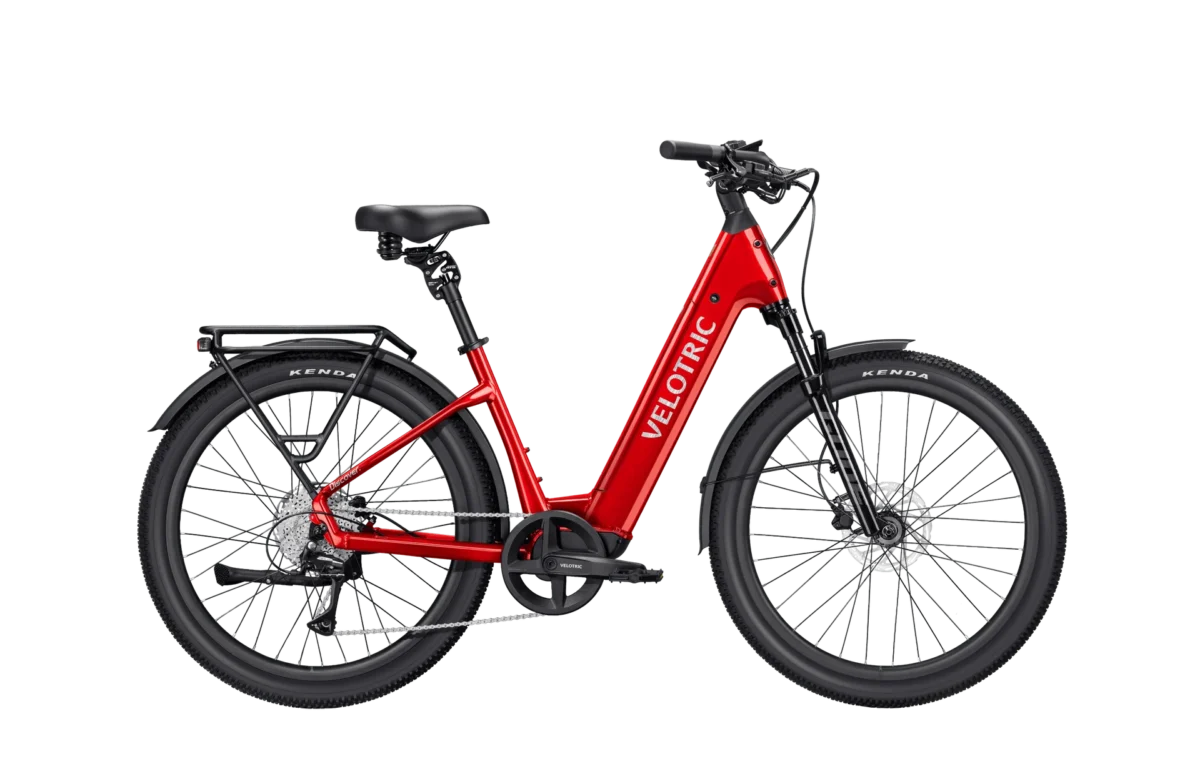
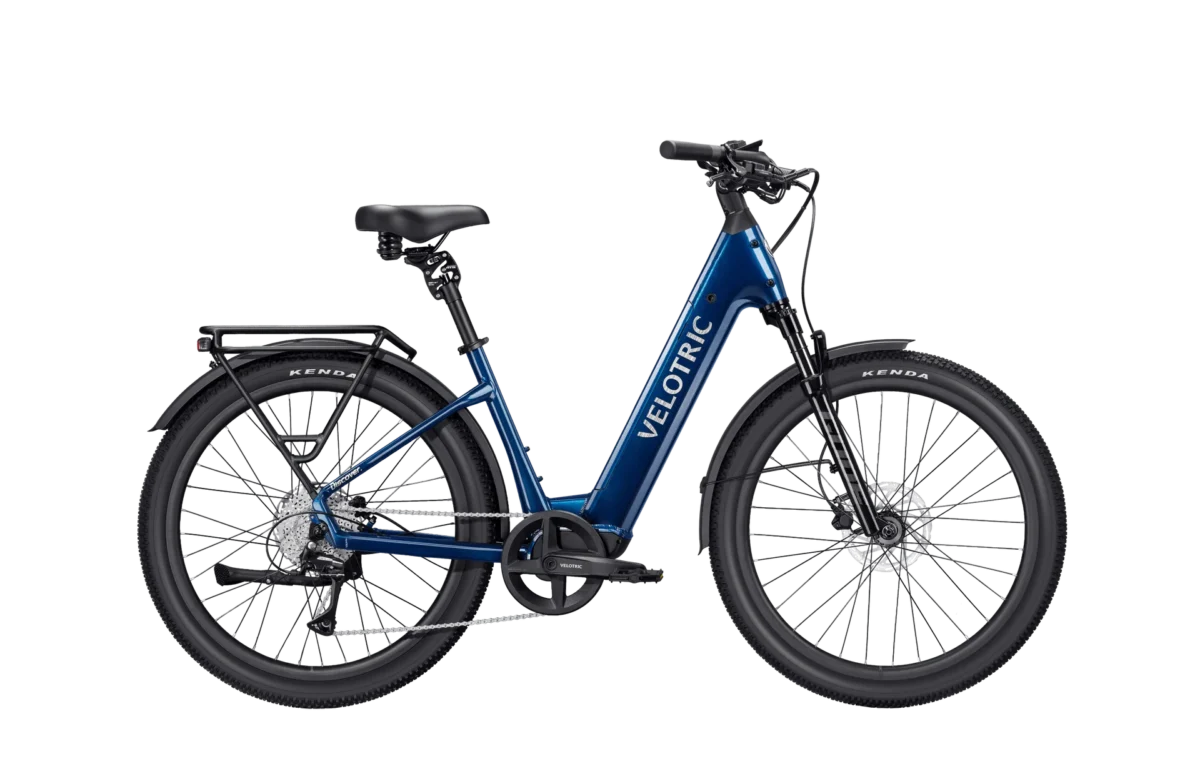
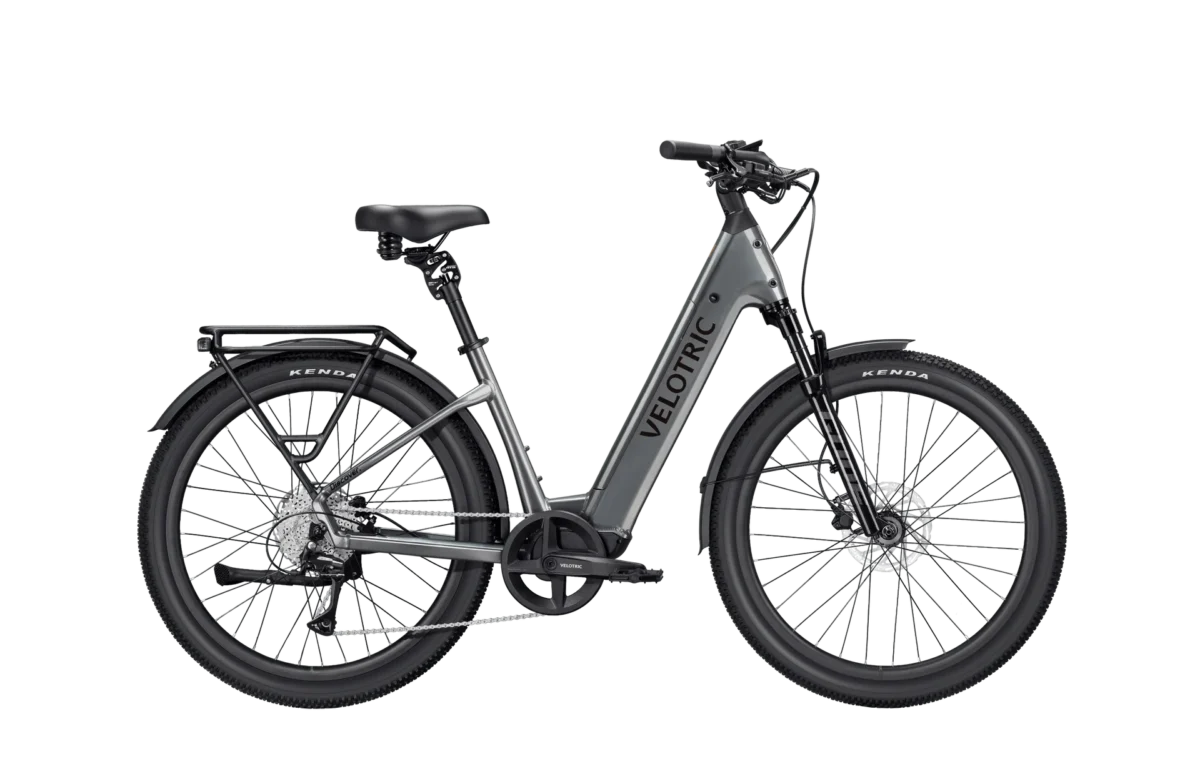
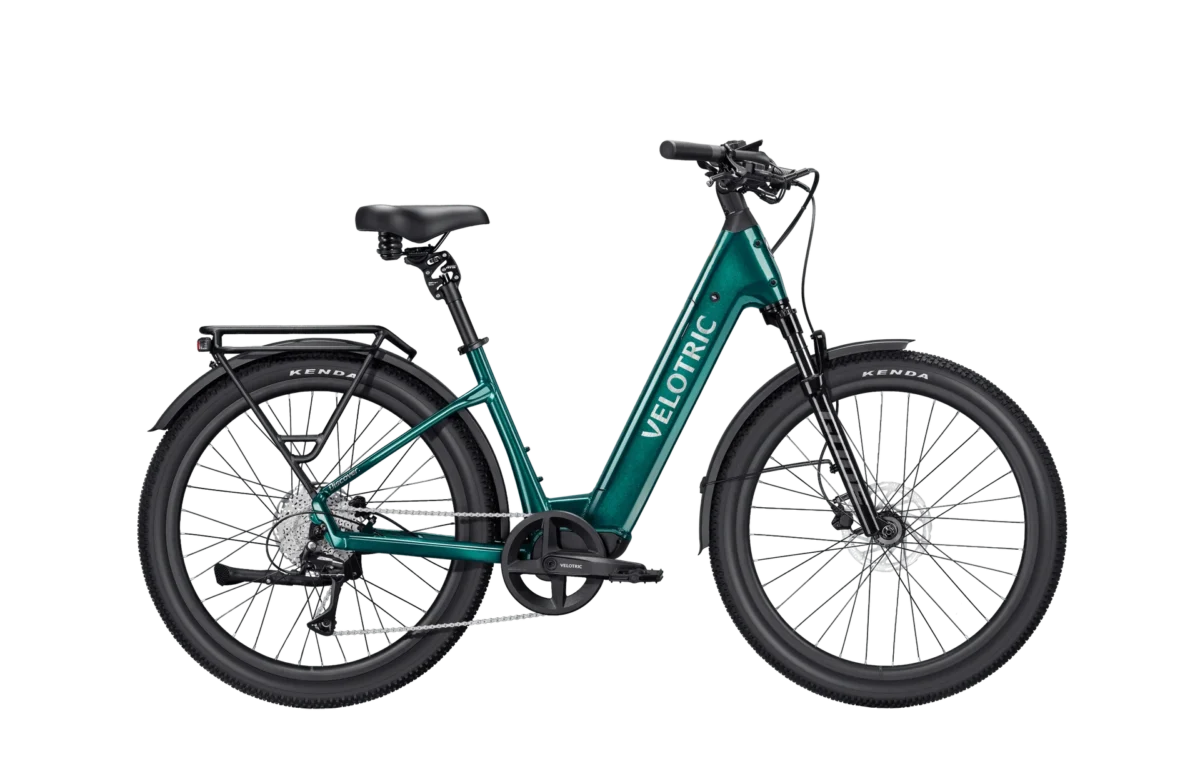
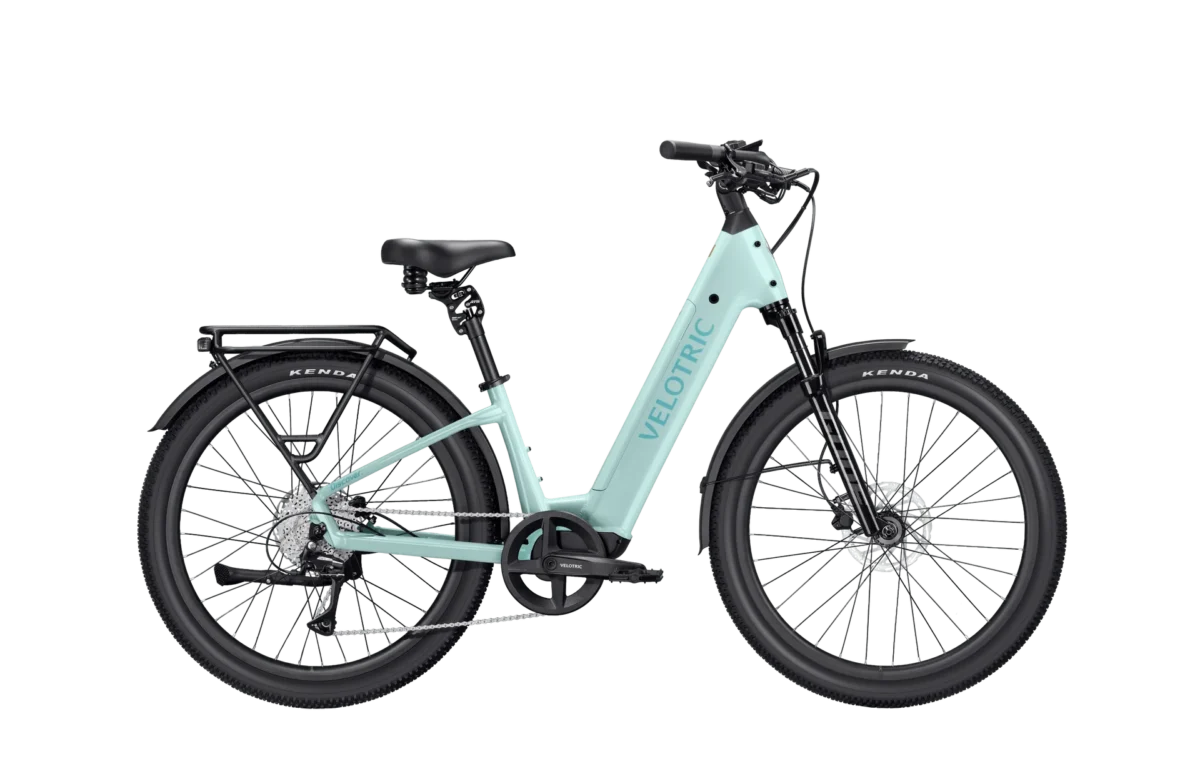
The bike comes in two sizes: Regular (fits riders 5’2″–5’11”) and Large (fits riders 5’9″–6’7″). Velotric lists the weight at 61 lbs, and our scale revealed the Large frame (with fenders and rack installed) was 66 lbs with the battery and 55 lbs without. Visually, the bike looks fantastic and is available in five colorways: Lemans Blue, Cherry Crimson, and Stone Gray are available on both sizes, while Mint is exclusive to the Regular frame and Emerald Green to the Large. It ships fully outfitted for the daily commute with aluminum fenders and a rear rack that features the MIK HD click-system. This rack is rated for 66 lbs (30 kg), making it capable of carrying heavy panniers or even a compatible child seat.
Velotric Discover 3 Specs
Here is a quick breakdown of the technical specifications for the Velotric Discover 3.
Real-World Performance Testing
While the raw specs look familiar—a 750W motor peaking at 1100W with 75Nm of torque—this updated internal rotor motor is 15% quieter and tuned for better hill climbing. The standout feature here remains the SensorSwap technology, which allows you to toggle between two distinct riding styles. You can choose the Cadence Sensor for effortless cruising where the motor does the heavy lifting, or switch to the Torque Sensor for a natural, cycling-like feel that amplifies your input. For those tracking their fitness, the system now also supports heart rate monitoring by linking a compatible Bluetooth device.
This versatility effectively gives you two different bike experiences in one package. Here is how that translated to our road tests:
Throttle Response & Acceleration
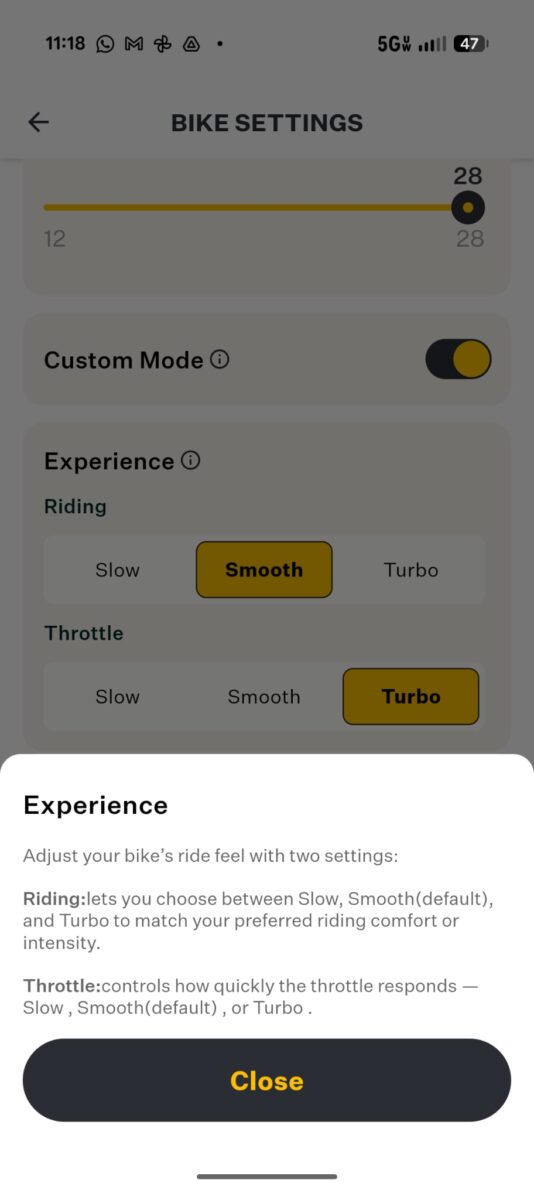
We tested the throttle settings to see how much the tuning changes the experience. In the “Slow” setting, the takeoff is gentle. However, switching the throttle to “Turbo” resulted in an immediate, aggressive takeoff, hitting 20 mph rapidly on a slight incline. We also found the “Throttle Limited” feature useful; the throttle speed is capped by your pedal assist level, preventing accidental high-speed launches.
Real-World Flat Ground Performance: SensorSwap™ in Action
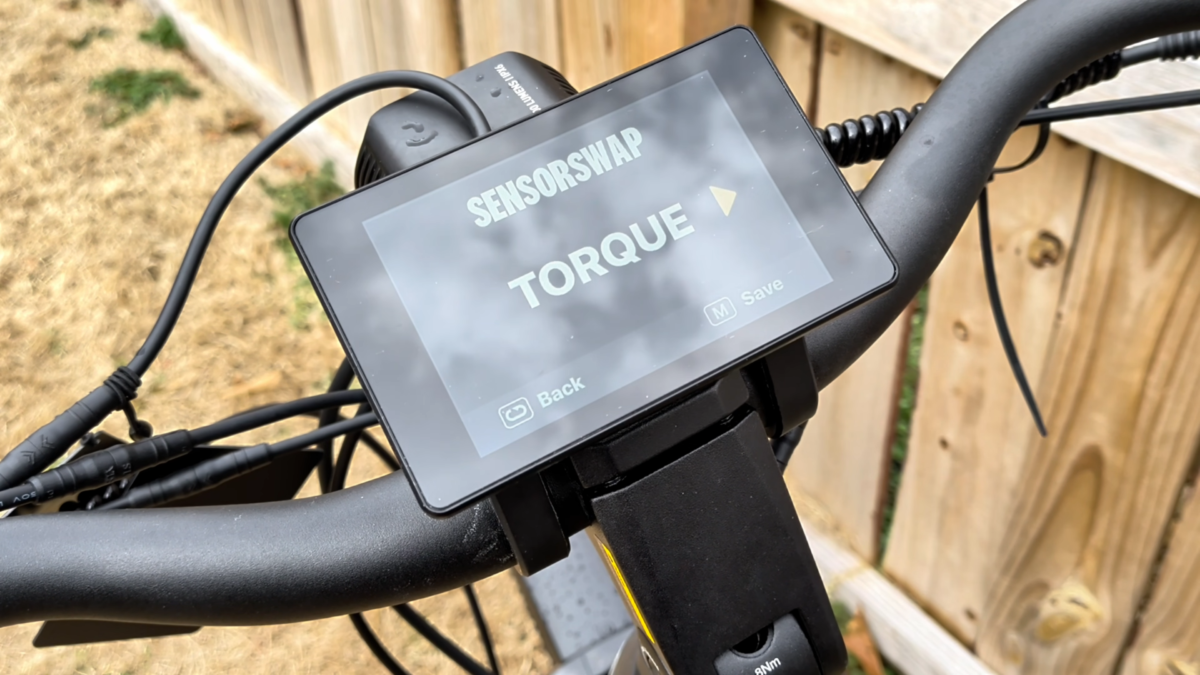
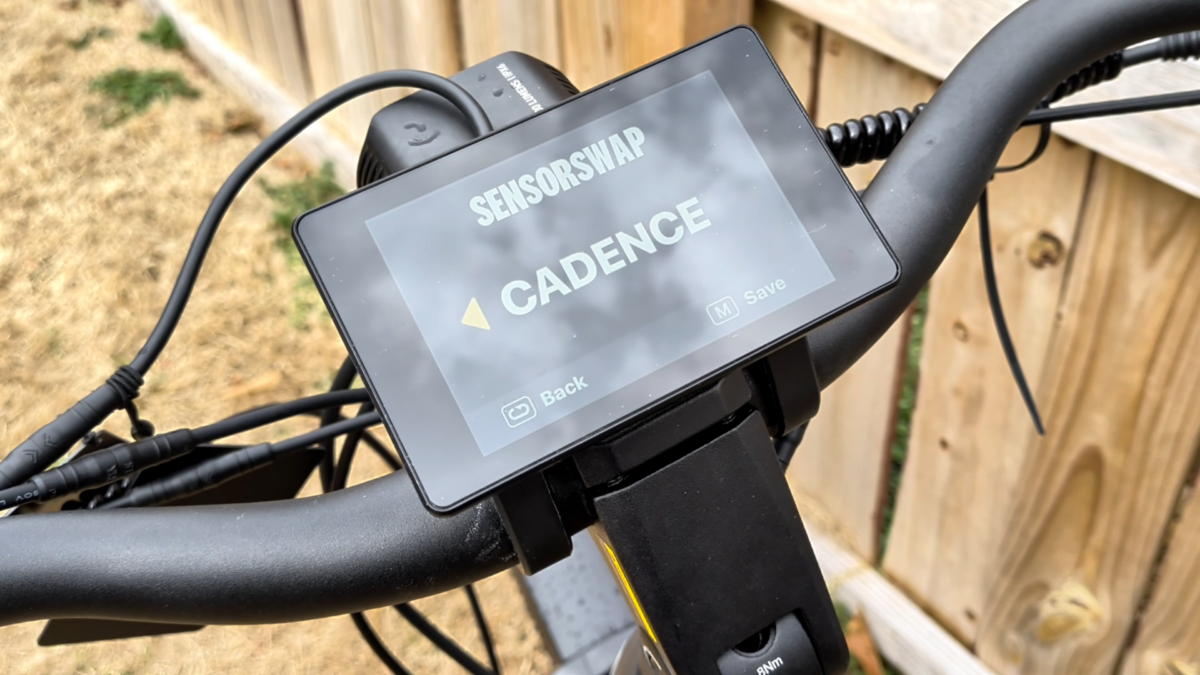
The standout feature of the Discover 3 drive system remains the SensorSwap™ technology, allowing you to toggle between two distinct riding experiences. This versatility is best demonstrated on flat ground, where the sensor choice completely dictates the bike’s character:
Effortless Cruising with the Cadence Sensor: In this mode, the motor provides power as long as your legs are spinning, regardless of how much force you apply. This is the setting for a relaxed ride where you want the motor to do the heavy lifting. Our testing recorded these distinct speed caps for each assist level:
- Eco: ~10 mph
- Tour: ~12 mph
- Trail: ~14 mph
- Sport: ~17 mph
- Boost: 20 mph (Standard Class 2 setting)
Natural Ride Feel with the Torque Sensor: Switching to the torque sensor transforms the Discover 3 into a more responsive, cycling-focused machine. The motor provides immediate assistance from a stop and scales power proportionally to your effort. On flat ground, we recorded the following “sweet spots” based on rider input:
- Eco/Tour: Ideal for leisurely rides between 9 and 12 mph with minimal effort; pushing slightly harder easily brings you to 15 mph.
- Trail/Sport: Perfect for active commuting. We found it easy to cruise at 16 mph, while a moderate increase in effort consistently brought the bike to 20 mph.
- Boost: It is very easy to maintain 20 mph in this setting. While it takes more work than the cadence sensor, you can reach the mid-20s and eventually 28 mph with just a small amount of additional leg power.
Regardless of which sensor you prefer, the Discover 3 handles high speeds well. When unlocked to Class 3, the bike easily hit 28 mph on both pedal assist and throttle alone. Much like the previous generation, the gearing setup felt appropriate for these higher speeds, preventing that frantic “ghost pedaling” feel.
Hill Climb Performance Testing
We took the Discover 3 to our standard steep test hill to see how the 75Nm of torque and 1100W peak motor handled gravity. The results varied significantly depending on whether we let the bike do all the work or used the different sensor modes.
Throttle Only Performance
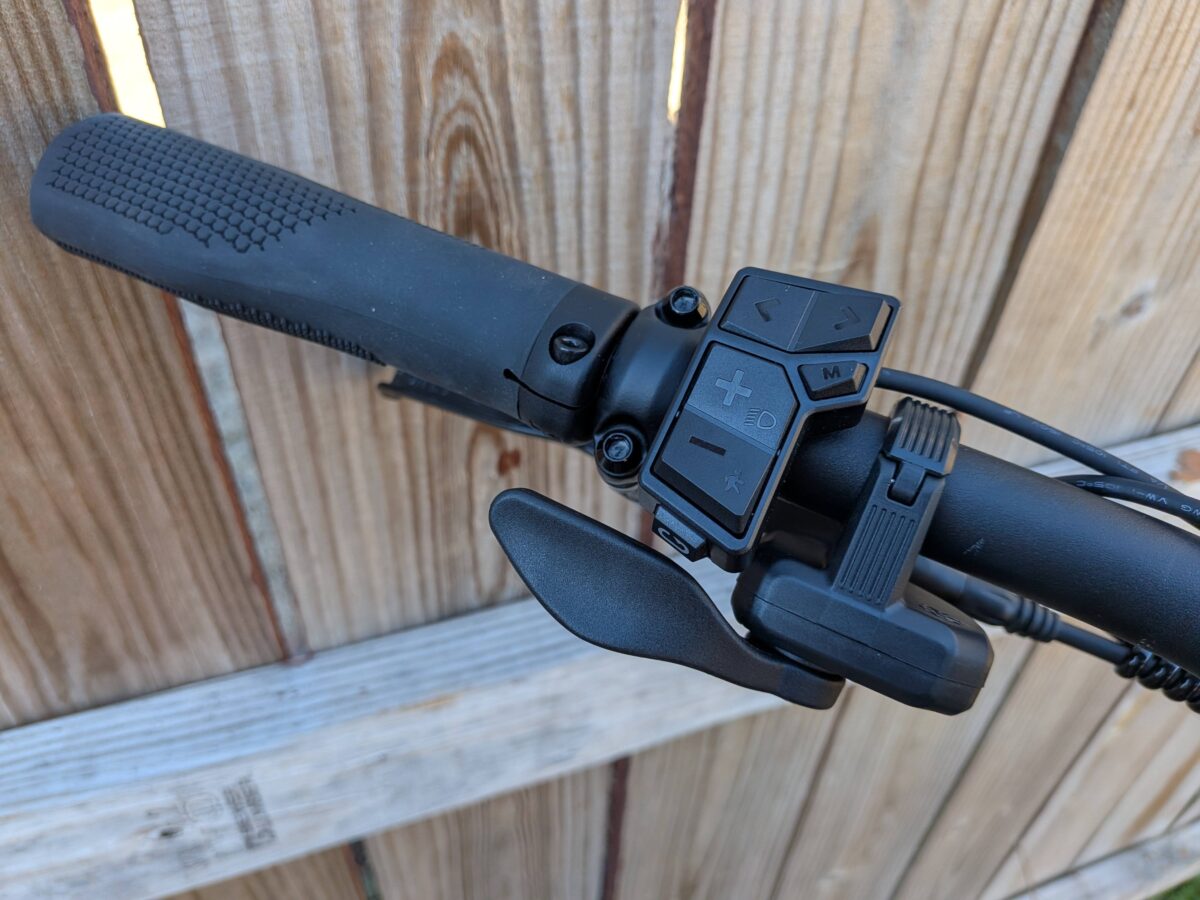
On the throttle-only run, we gave the motor no help from the pedals. The Discover 3 successfully crested the hill without any pedaling input—a solid pass for a commuter bike. At the absolute steepest section, the speed dipped to roughly 7-8 mph, but it never felt like the motor was going to stall out. It is a capable climber for those moments when you just want to sit back and let the bike take over.
Pedal Assist Climbing: Torque vs. Cadence
The most interesting part of our test was comparing how the two sensor modes handled the same incline:
Torque Sensor Climbing: In this mode, the bike expects you to work for it. In Eco and Tour modes, we had to put in significant leg power to keep our momentum. Even in the highest Boost setting, the torque sensor requires the rider to keep a decent amount of pressure on the pedals to keep the power flowing. While the motor provides noticeable relief, it maintains a “fitness-first” feel even on steep grades.
Cadence Sensor Climbing: Switching to the cadence sensor completely changed the dynamic. In this mode, the bike effectively “flew” up the hill. Because the cadence sensor only cares that the pedals are moving, the motor delivers maximum power with very little physical resistance required from the rider. It turned a difficult climb into an almost effortless experience.
Between these three options, the Discover 3 offers a climbing profile for everyone—from those who want a workout to those who want the hill to disappear entirely.
Competitor Comparison: Velotric Discover 3 vs. Aventon Level 3
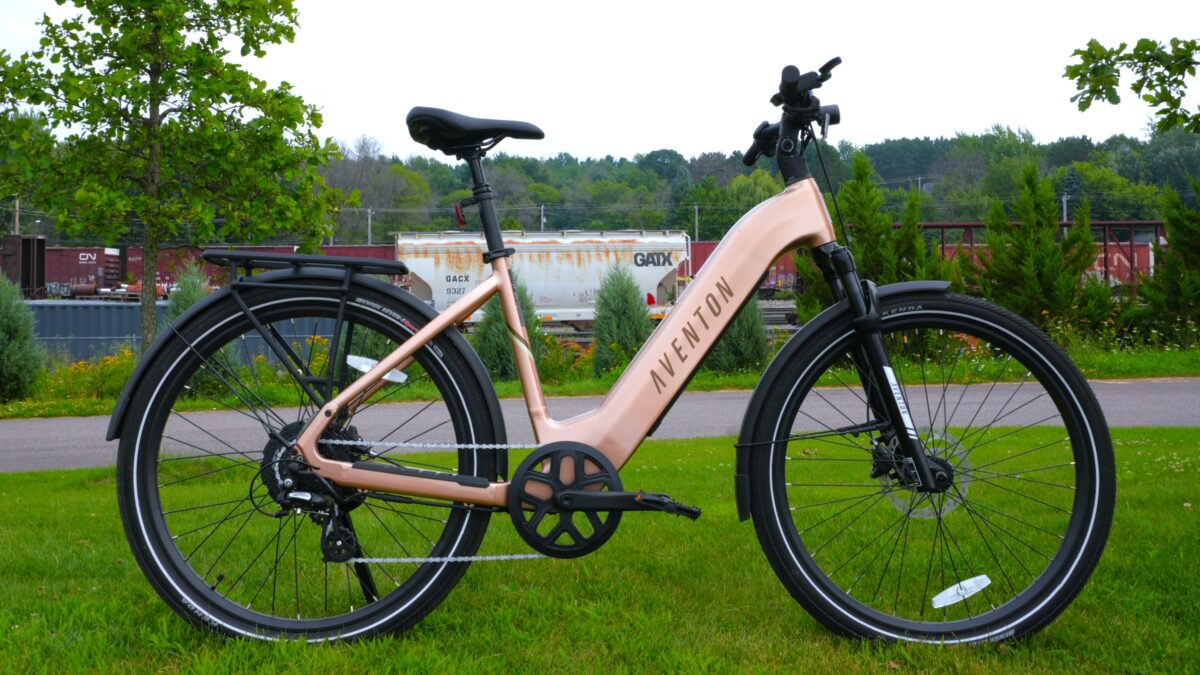
The most direct competitor to the Discover 3 is the Aventon Level 3. As two of the leading omni-channel brands, these bikes share several core features: both offer customizable pedal assist levels, sensor swapping, app support for firmware updates, and adjustable stems to dial in your fit. They even sport similar battery capacities, with the Level 3 coming in at 720 Wh compared to the Discover 3’s 730 Wh.
However, the riding experience and feature sets diverge in key areas:
- Design & Posture: The advantage to the Level 3 is the premium finish Aventon is known for, along with more configuration options; you can choose between a step-over and step-thru frame, and each style comes in two sizes. While both have adjustable stems, the Level 3 features straighter handlebars, offering a more active riding posture compared to the Discover 3.
- Security & Support: The Level 3 stands out with built-in physical security unique to Aventon models, specifically an electronic rear wheel lock. It also includes an IoT service with ACU 4G Security features (free for the first year, then $20/year). Additionally, Aventon boasts an even larger dealer network than Velotric.
- Performance & Comfort: The Discover 3 features a stronger motor and superior suspension setup. Its air fork and parallelogram-style suspension seatpost offer a plush ride that outperforms the Level 3’s coil suspension and pogo-style seatpost—though the Level remains a comfortable bike.
- On-Board Control: Finally, the Discover 3 lets you change a lot more settings directly through the display, whereas changing the performance settings on the Level 3 requires you to use the app.
If you prioritize a more active riding position, the peace of mind of physical electronic security, and the support of an even larger dealer network, the Aventon Level 3 is the way to go. However, if you want maximum power for hills, superior air-suspension comfort, and a bike that feels fully “unlocked” without needing your phone, the Velotric Discover 3 is the stronger choice.
Want to see if the Aventon is the better fit for you? Check out our full Aventon Level 3 review for a deep dive into its security features and ride quality.
Discover 3 vs. Discover M: Which Should You Choose?
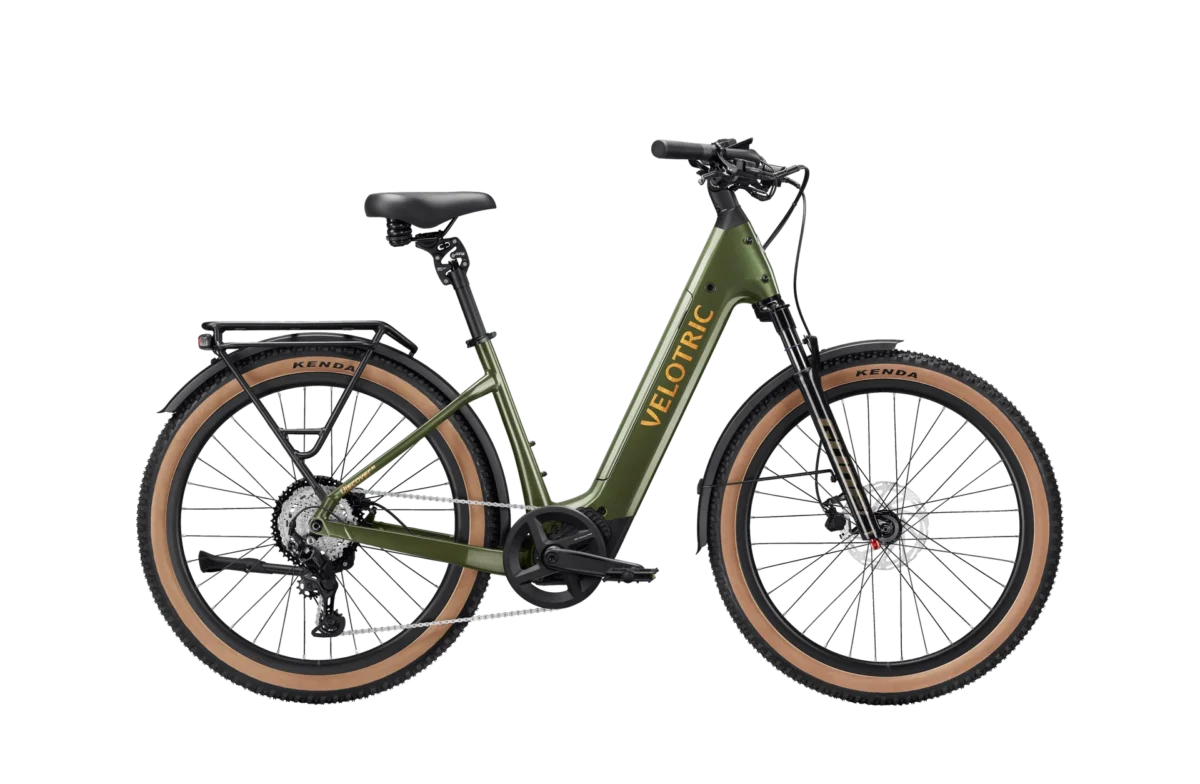
With this generation, Velotric has actually split the Discover line into two distinct models. While this review focuses on the Discover 3 (the $1,999 hub-drive model), there is also the new Discover M priced at $2,499.
The Discover M is Velotric’s first flagship mid-drive commuter, featuring their proprietary VeloCore™ motor with a massive 100Nm of torque and a larger 801.6Wh battery. While the Discover 3 is the value-packed king of comfort and ease, the Discover M is aimed at riders who want the balanced, natural feel of a mid-drive and even more climbing power. We have a full review of the Discover M if you’re deciding between the two!
Curious about the previous generation? Check out our comprehensive Velotric Discover 2 review!
Velotric Discover 3 Pros and Cons
Superb!
Final Thoughts: Who is the Discover 3 For?

When we reviewed the previous generation, we struggled to find many significant criticisms. It was already a benchmark for what a commuter could be at this price point, which left us eagerly waiting to see how Velotric intended to push such a polished platform forward. The Discover 3 answers that question not with flashy gimmicks, but with a series of deliberate refinements that show a clear focus on the actual ownership experience.
The move to a tunable air suspension fork and suspension seatpost, the simpler PAS control, and the granular “Ride Tuning” options are meaningful responses to how people actually use these machines. When you combine these hardware and software upgrades with the peace of mind that comes from Velotric’s growing network of local bike shops for service and support, the Discover 3 reinforces its position as a remarkably complete commuter. It remains an easy recommendation for anyone looking for a refined, daily driver that feels built for the long haul.
If you found this review helpful, please consider using our affiliate link to support our content. Save on your next Velotric ebike with discount code: eBikeEscape60
